If you’re selling an older home in Windham, you may be wondering how much to fix, what buyers will worry about, and whether your home’s age will hurt your sale. The good news is that older homes can absolutely attract strong interest when they feel well cared for and the big questions are answered up front. In a market where buyers are often price-conscious, clear preparation can make a real difference. Let’s dive in.
Why older homes can still sell well
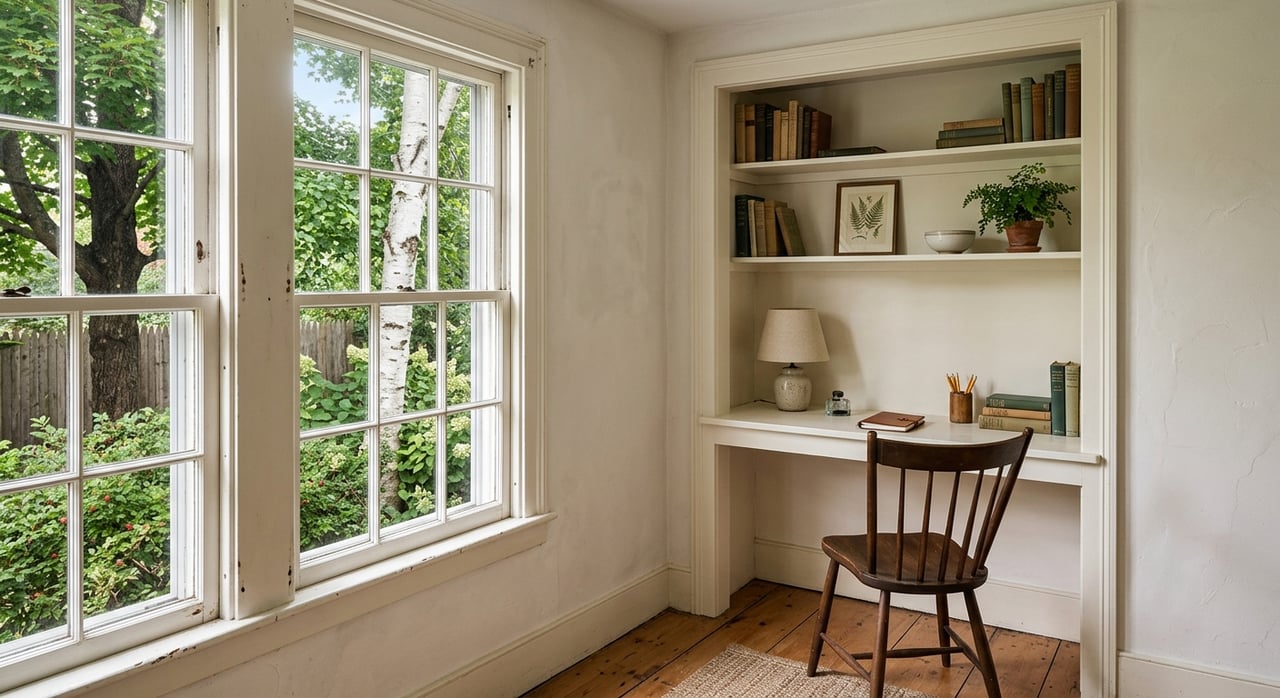
Older homes in Windham often offer the kind of charm and character that newer construction cannot easily match. Original woodwork, classic layouts, and established lots can all appeal to buyers who want something with personality.
At the same time, buyers still need confidence in the home’s condition. Windham’s Census QuickFacts profile shows a median owner-occupied home value of $209,800 and a median household income of $55,736, both below statewide Connecticut figures, which suggests many local buyers are watching their budgets closely. That usually means they may accept cosmetic age, but they are less likely to overlook uncertainty around major systems or expensive repairs.
What buyers notice first
When you sell an older home, first impressions matter even more than usual. Visible wear can make buyers assume there are bigger hidden problems, even when that is not the case.
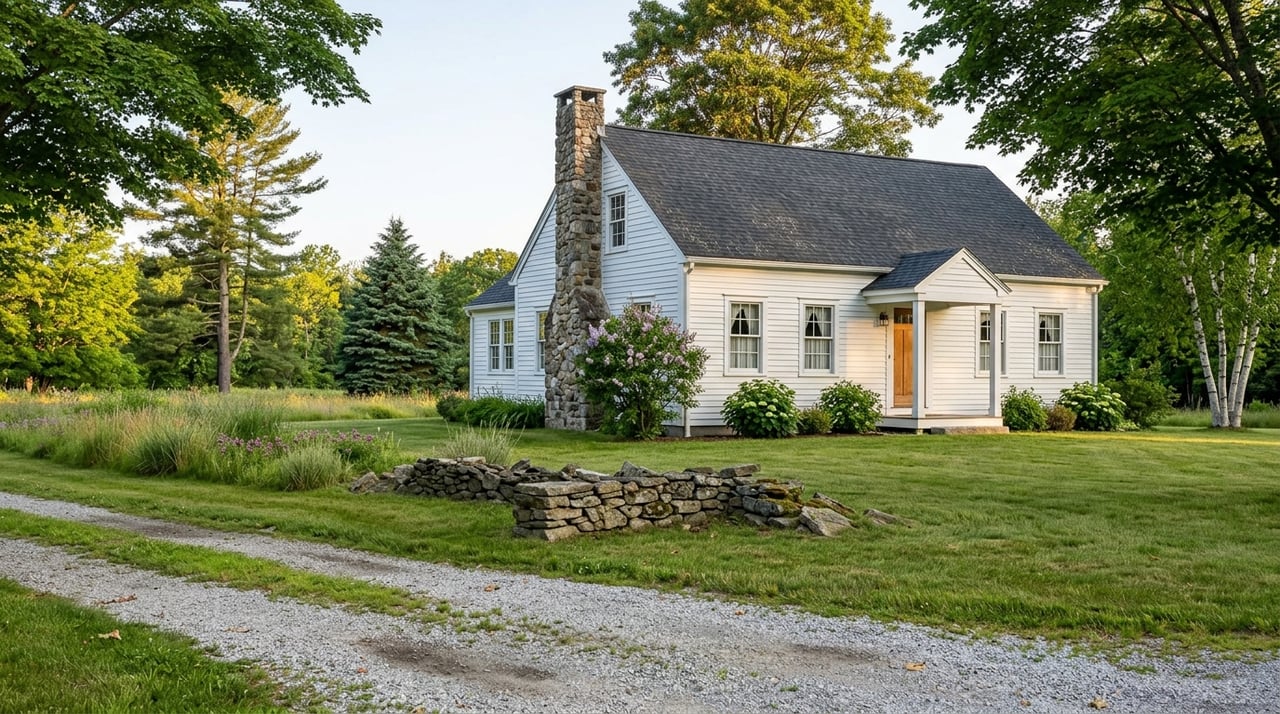
A practical place to start is the exterior. The 2025 NAR Remodeling Impact Report says Realtors most often recommend painting the entire home, painting a single interior room, and installing a new roof before listing, with new roofing also ranking among the top-demand projects.
For many older Windham homes, that points to a simple strategy: handle the things buyers see first and address any obvious water-entry risks. Peeling paint, worn trim, stained ceilings, loose gutters, and roof concerns can all raise red flags before a buyer ever gets to appreciate the home’s character.
Focus on systems before cosmetic extras
If you have a limited budget, put your money where buyers and inspectors are most likely to focus. In Connecticut, the Residential Property Condition Report asks sellers about heating, hot water, plumbing, electrical, smoke and carbon monoxide detectors, insulation, and leased equipment.
That gives you a strong clue about what matters most during a sale. Buyers of older homes usually feel more comfortable when the home’s key systems seem safe, functional, and recently maintained.
Before listing, it can help to review:
- Heating system condition and service history
- Hot water system age and performance
- Plumbing leaks or past repairs
- Electrical updates or known issues
- Smoke and carbon monoxide detector placement
- Insulation details if known
- Any leased items such as propane tanks or water equipment
A dated kitchen may not stop a sale. A heating issue in winter, old leak stains, or unclear electrical history can slow things down fast.
Moisture and foundation issues deserve extra attention
For older homes, moisture and foundation concerns often matter more than cosmetic details. Connecticut’s seller disclosure form specifically asks about basement seepage, drainage, rot or water damage, foundation settling, and concrete foundation history, including pyrrhotite-related concerns.
That means buyers are likely to ask these questions, and inspectors will too. If your basement gets damp after heavy rain, if grading pushes water toward the house, or if there is a history of foundation repair, it is best to get organized early.
Windham is included in the CRCOG list of affected or potentially affected towns used for real estate foundation disclosure purposes. That does not mean every Windham home has a foundation problem, but it does mean homes with concrete foundations deserve careful documentation.
If there are visible cracks, prior repairs, or known concerns, early review by the right professional can help you avoid surprises later. The Connecticut form also notes that a concrete foundation may be inspected by a licensed professional engineer who is a structural engineer.
Gather records before you list
One of the smartest things you can do before putting your home on the market is build a simple property file. Older homes often come with years of repairs, upgrades, and equipment changes, and buyers feel better when the details are easy to follow.
Connecticut’s disclosure form specifically tells buyers to confirm permits and certificates of occupancy with the municipal building official. If you have records for past work, keeping them ready can save time and reduce stress during attorney review, inspection, or financing.
Try to gather:
- Building permits for renovations or major repairs
- Certificates of occupancy, if applicable
- Roof, boiler, furnace, or water heater paperwork
- Foundation repair records
- Radon test results or mitigation records
- Well or septic information, if applicable
- Leased equipment details
- Solar, propane, alarm, or rented water heater documents
You do not need a perfect house file to sell. You just want buyers to see that the home has been responsibly owned and that you are prepared.
Understand Connecticut disclosure rules
If you are selling most 1-4 family residential property in Connecticut, you generally must provide the Residential Property Condition Report before the buyer signs a binder, contract, option, or lease with a purchase option. The current form says that if the report is not furnished, the seller must credit the buyer $500 at closing.
It is also important to understand what disclosure does and does not do. The form says seller statements are not a warranty, but that does not remove the need to disclose known issues.
In plain terms, marketing a home as-is does not mean you can skip disclosure. It simply means you are not agreeing in advance to make repairs, while still being upfront about what you know.
Plan ahead for common older-home concerns
Older homes often bring up the same few concerns during a sale. If you prepare for them early, you can reduce buyer hesitation and keep the transaction moving.
Lead paint disclosures
If your home was built before 1978, federal lead-based paint rules apply. Sellers must disclose any known lead-based paint or lead-based paint hazards and provide the required lead hazard pamphlet before the sale.
Even if you have very little documentation, it helps to address this early instead of scrambling once an offer is in hand. This is one of the most common paperwork items for older-home sales.
Radon records
The Connecticut Department of Public Health says testing is the only way to know whether a home has elevated radon. The state seller disclosure form also asks whether a radon test has been performed and whether a radon control system is in place.
If your older home has a basement, crawlspace, or existing mitigation equipment, gather those records before listing. Buyers often feel more comfortable when they can quickly understand the testing history.
Asbestos caution
Older homes can also raise questions about asbestos, especially if materials may be disturbed during renovations. EPA guidance says that if asbestos-containing material is more than slightly damaged, or if work will disturb it, repair or removal should be handled by a trained and accredited asbestos professional.
For sellers, the practical takeaway is simple: avoid casual DIY disturbance and be ready to explain any known past repairs if a buyer asks.
Should you sell as-is?
An as-is strategy can work for an older home in Windham, but it needs the right setup. It usually works best when the price reflects the condition, the home is structurally sound, and buyers can clearly understand what is dated versus what is costly.
In Windham’s more price-sensitive market, some buyers may accept cosmetic wear or an older kitchen if the house feels honest and functional. That can make as-is a reasonable option for sellers with limited repair budgets, inherited properties, or homes that are solid but dated.
The key is discipline. If you choose as-is, you still need strong disclosure, realistic pricing, and as much documentation as possible.
Smart prep steps before listing
If you want a practical game plan, start here:
Walk the house like a buyer
Look for peeling paint, stains, musty smells, loose railings, old caulk, and signs of deferred maintenance.Handle visible red flags
Address roof concerns, drainage issues, water damage, unsafe steps, or anything that makes buyers question upkeep.Review major systems
Gather service records and note the age and condition of heating, hot water, plumbing, and electrical systems.Organize disclosures early
Complete the Connecticut property condition paperwork carefully and honestly.Collect supporting documents
Pull permits, repair invoices, radon records, and any information on leased equipment, wells, septic systems, or foundation work.Price for the real condition
An older home usually performs best when the asking price matches its current condition and level of updating.
The right strategy matters
Selling an older home is rarely about making it look brand new. It is about helping buyers understand the home, trust its condition, and feel confident about what comes next.
That is where practical, property-level guidance matters. A clear prep plan, honest disclosures, and thoughtful pricing can help your home’s strengths stand out while reducing the chance of delays or renegotiation later.
If you’re getting ready to sell an older home in Windham and want direct, experienced guidance without handoffs, connect with Lindsey Niarhakos for a practical plan built around your home, your timeline, and your goals.
FAQs
What should I fix before selling an older home in Windham?
- Focus first on visible wear, roof or drainage concerns, and major systems like heating, plumbing, hot water, and electrical, since those are the issues buyers and inspectors are most likely to scrutinize.
Do Connecticut sellers need to fill out a property disclosure form?
- Yes. Sellers of most 1-4 family residential properties in Connecticut must provide the Residential Property Condition Report before the buyer signs certain sale documents, or the seller may owe a $500 credit at closing.
Can I sell my older Windham home as-is?
- Yes, if the price reflects the condition and you still disclose known issues clearly. An as-is sale does not remove your disclosure responsibilities.
Should I worry about foundation questions when selling in Windham?
- Windham is listed among affected or potentially affected towns for foundation disclosure purposes, so concrete foundations, visible cracks, or prior repairs should be documented carefully and reviewed early if needed.
Do I need radon or lead paint information when selling an older home in Connecticut?
- If the home was built before 1978, lead-based paint disclosure rules apply. For radon, Connecticut asks sellers whether testing has been done and whether a control system is in place, so having those records ready can help reduce buyer hesitation.