If your workweek no longer depends on a daily office commute, where you live starts to mean something different. You may want more quiet, more room to spread out, and a place that helps you shift between focused work and real downtime. In Columbia, Connecticut, that balance can be easier to find. Let’s look at what makes Columbia appealing for remote and hybrid workers, and what you should pay close attention to as you search.
Why Columbia Works for Remote Life
Columbia is best understood as a peaceful residential town, not a major employment hub. The town’s 2026 draft plan describes it as calm, low-density, and recreation-friendly, with most residents commuting out of town for work. For you, that can be a plus if your job allows you to work from home most days.
This is the kind of town where the lifestyle centers more on space and rhythm than on walk-to-work convenience. Columbia is in northeastern Connecticut, about 25 miles east of Hartford, with its town center at Routes 87 and 66. Route 87 is also accessible by Routes 6 and 66, which helps if you need to head into the office a few times a week.
The town’s planning materials also point to low traffic and support for home-based businesses as strengths. That lines up well with the needs of remote and hybrid workers who want a quieter home base. If your ideal setup includes fewer daily interruptions and more breathing room, Columbia deserves a closer look.
Broadband and Work-From-Home Basics
For most remote workers, internet access is near the top of the list. Census QuickFacts reports that 97.7% of Columbia households have a computer and 97.4% have a broadband subscription. That suggests a strong foundation for work-from-home living at the household level.
That said, it is still smart to verify service at the property level before you buy. Columbia’s planning documents note insufficient data infrastructure as a local weakness, so you should not assume every address will offer the same experience. If your work depends on video calls, large file uploads, or multiple users online at once, confirm the available provider and service quality early.
The town’s commuting data also supports Columbia’s fit for flexible work. According to the draft plan, 18% of residents work from home, 82% drive to work, and less than 1% use transit or walking. In other words, Columbia naturally fits people who drive when needed but do not rely on a daily in-person commute.
Housing That Fits a Home Office
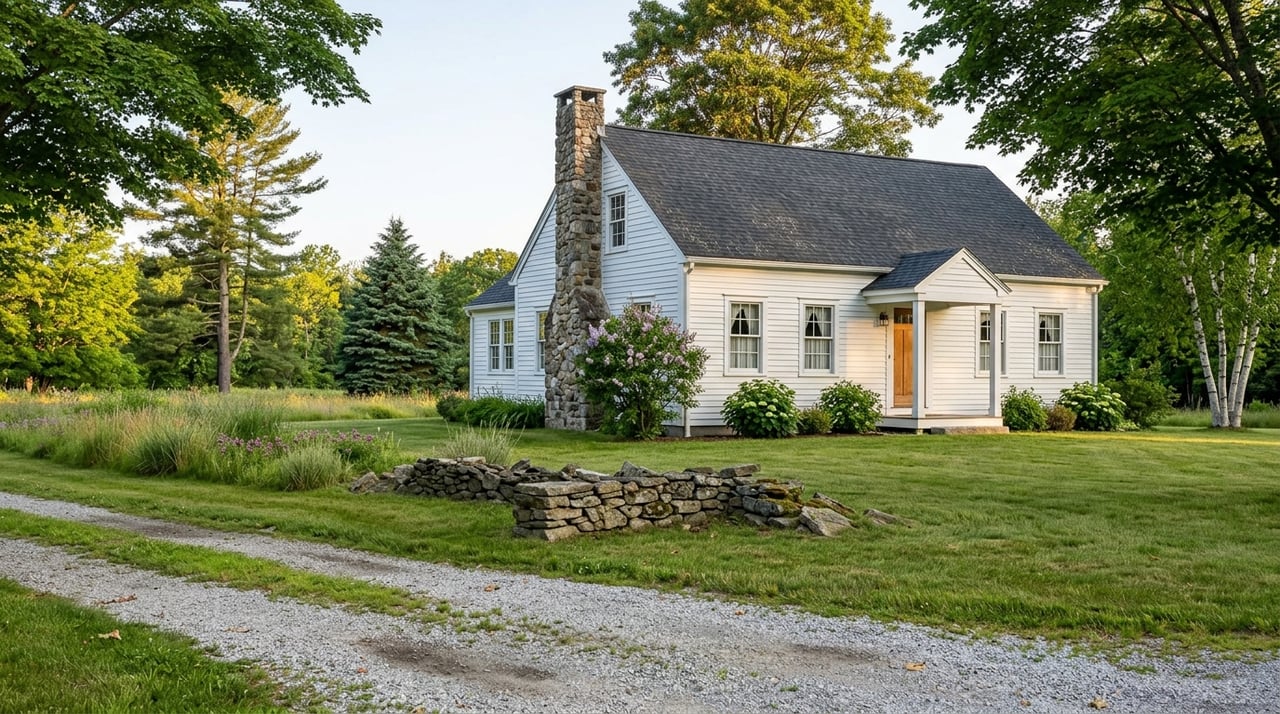
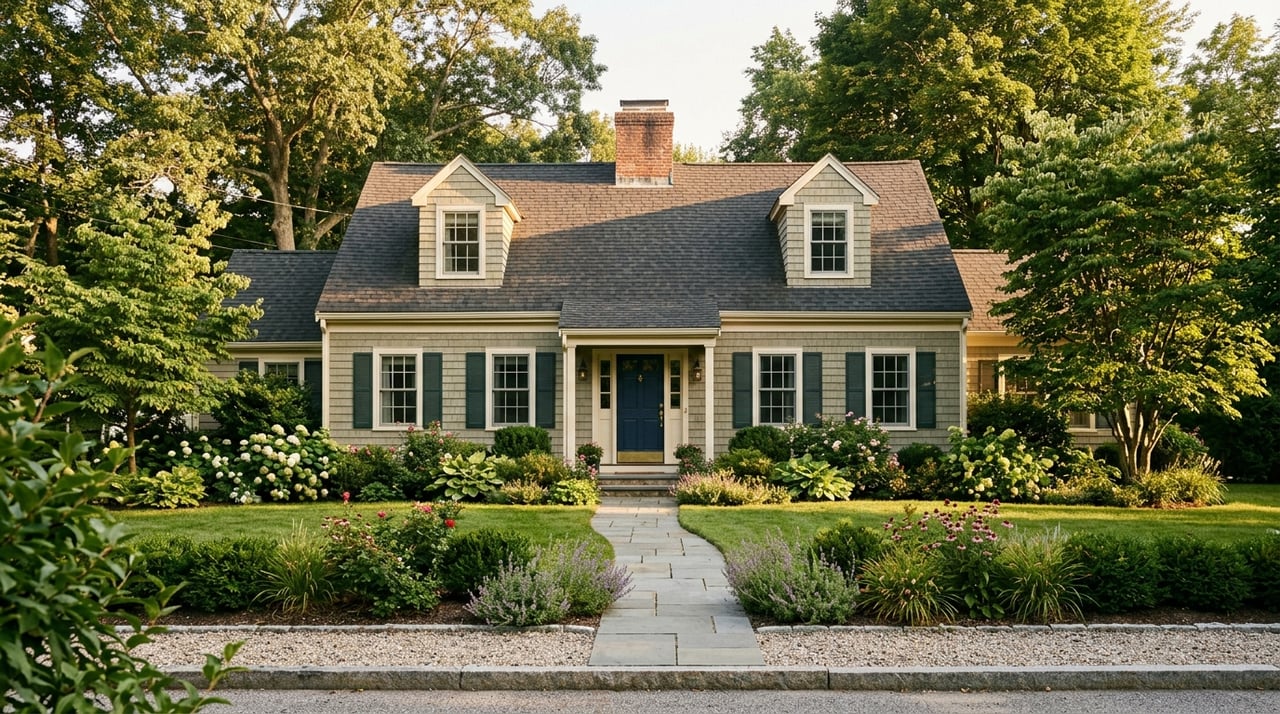
One of Columbia’s biggest advantages is its housing mix. The town plan says about 88% of housing units are detached single-family homes, and most units have two or three bedrooms. That gives many buyers a better chance of finding a layout that can support a dedicated office, guest room, or flexible workspace.
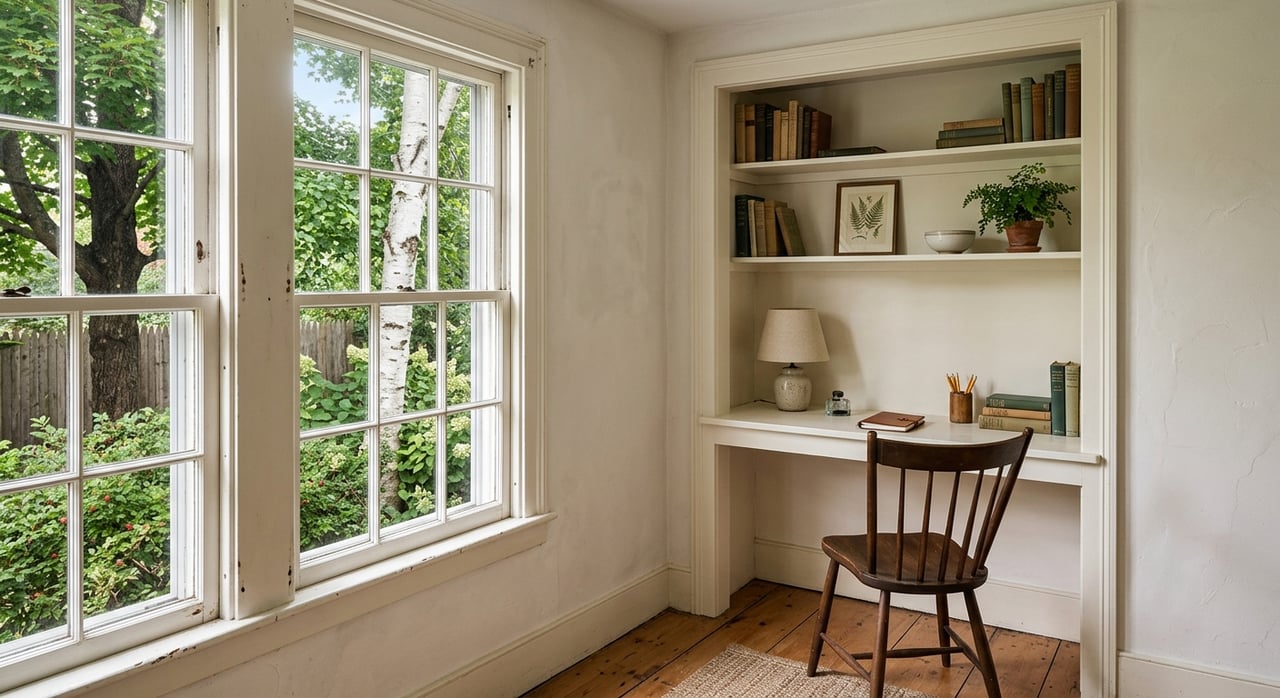
If you have been struggling to carve out a desk in a small apartment, this matters. In Columbia, the available housing stock often offers more room to separate work from home life. Even one extra bedroom can make your workday feel far more manageable.
There is also some flexibility beyond the classic single-family house. The draft plan says accessory dwelling units and duplexes are allowed by right in all residential zones, and the mixed-use town center allows smaller apartments above commercial space. That can expand your options if you want something a little different from a traditional standalone home.
Older Homes Need a Closer Look
Columbia has a large share of older housing, which can be appealing but also requires careful evaluation. The town plan says 11.8% of homes were built before 1940, 12.9% were built between 1940 and 1960, and 60.5% were built between 1960 and 2000. That means many homes may have older materials, systems, or insulation standards.
For remote and hybrid workers, home condition matters because you will spend more time there. The town also notes that many homes use heating oil and that older homes can be more costly to own and operate. You will want to look closely at windows, insulation, heating systems, and general upkeep before making a decision.
This is especially important if you are budgeting for both housing costs and a comfortable work environment. A home office is not just about square footage. It is also about how the home performs day to day, from temperature control to noise levels to maintenance needs.
Private Wells and Septic Systems Matter
Utility setup is another key part of buying in Columbia. The town plan says most residents rely on private wells for drinking water and private septic systems for wastewater. That is common in more rural and low-density towns, but it does change what you should review during your home search.
If you are considering a property in Columbia, well and septic details deserve real attention. Water testing, septic inspections, maintenance history, and system condition can all affect your comfort, costs, and long-term planning. These are not reasons to avoid the area, but they are reasons to be thorough.
For remote workers, this can matter even more because your home is doing double duty. It is both your living space and your work base. The more clearly you understand a property’s systems, the fewer surprises you are likely to face later.
Daily Errands and Coffee Break Options
Columbia is not trying to be a full-service urban center, but it does offer some useful everyday options. Thunderbird Cafe on Willimantic Road serves breakfast and lunch on weekdays and highlights easy parking. Faith Cafe, located inside Crossroads Fitness, is another small weekday option in town.
For many remote workers, a simple change of scenery can make a big difference. Even having a nearby coffee spot for a quick reset or casual meeting can improve your week. Columbia’s small-scale local options support that kind of routine without adding much hassle.
If you want more variety, nearby Willimantic gives you another layer of convenience. Silk City Coffee has a Willimantic location on Main Street, and Cafemantic is also on Main Street with noted parking and access by bike trail. That can be helpful when you want to break out of the house for a few hours or meet someone outside your usual workspace.
A Town Center with a Slower Pace
Columbia’s civic core adds to its appeal for people who value a calm environment. The town’s trail information notes that the Town Green at the intersection of Routes 87 and 66 sits beside the Town Hall campus, Saxton B. Little Library, and other civic buildings. The feel is more small-campus than commercial strip.
That may sound like a small detail, but it shapes daily life. If you are remote or hybrid, your town environment becomes part of your work-life balance. Columbia offers a setting that feels steady and grounded, which many buyers find refreshing after busier or more congested routines.
Outdoor Breaks Are a Real Advantage
One of Columbia’s strongest lifestyle benefits is outdoor access. The town says it has many public trails, including two long-distance state rail trails. The Hop River Trail follows the northern border, and the Airline Trail runs along the southeast border.
Both trails allow hiking, biking, horseback riding, and cross-country skiing. The state trail page describes the Hop River Trail as remote, quiet, scenic, and historic, and notes that it is open daily from 8:00 a.m. to sunset. If you like the idea of taking a walk between meetings or biking after work, Columbia gives you practical ways to do that.
Water access is another plus. Columbia Recreation Park at 60 Hennequin Road serves as the town beach and recreation hub, with boat and kayak moorings. The town plan says Columbia Lake is 281 acres and is used for swimming lessons, kayaking, and boating, while Mono Pond State Park Reserve supports activities like hiking, fishing, boating, bird watching, and picnicking.
What Hybrid Commuters Should Expect
If you are hybrid rather than fully remote, Columbia can still work well, but you should expect a drive-first routine. The town’s data shows that nearly all residents have access to a car, and the local commute pattern is heavily oriented around driving. That is one of the clearest tradeoffs of living here.
There are, however, some backup transportation options. Columbia’s public transportation page lists WRTD Dial-A-Ride, the Storrs-Willimantic Bus, the Willimantic City Bus, and the Route 32 Commuter Bus. The town also notes commuter buses to Hartford that make weekday rush-hour trips along Route 6.
For carpools or bus connections, CTDOT’s park-and-ride map shows Columbia lots at Route 6 at Route 66 and Route 66 at West Street. If your office schedule only pulls you in occasionally, that setup may feel very manageable. If you need daily public transit, Columbia is likely not the best fit.
Is Columbia the Right Fit for You?
Columbia makes the most sense if you want a quiet home base with room to live and work comfortably. It offers a low-density setting, solid household broadband levels, housing that often supports a true home office, and easy access to trails and water. For many remote and hybrid workers, that combination is exactly the point.
The tradeoff is that Columbia is still a car-oriented town with property details that deserve close review. Internet service can vary by address, and many homes have older systems, private wells, and septic setups. If you go in with clear expectations and a property-specific approach, Columbia can be a smart choice for the way you work now.
If you are weighing Columbia against other Northeast Connecticut towns, the details matter. Layout, condition, internet options, heating systems, and commute patterns all play a role. When you work from home, the right house is not just where you sleep. It is where your whole week happens.
If you want help evaluating homes in Columbia or nearby towns, Lindsey Niarhakos offers direct, hands-on guidance from the first showing through closing, with practical insight into the older housing stock common across Northeast Connecticut.
FAQs
Is Columbia CT a good place for remote workers?
- Columbia can be a strong fit for remote workers who want a quiet, low-density setting, more space at home, and easy access to outdoor recreation.
Does Columbia CT have good internet for working from home?
- Census QuickFacts reports that 97.4% of households have a broadband subscription, but service should still be verified property by property because local planning documents note data infrastructure limitations.
What kind of homes are common in Columbia CT?
- Columbia’s housing stock is mostly detached single-family homes, with most units offering two or three bedrooms.
Do Columbia CT homes usually have public water and sewer?
- No. The town plan says most residents use private wells for drinking water and private septic systems for wastewater.
Is Columbia CT good for hybrid commuters?
- Columbia can work well for hybrid commuters who drive to the office occasionally, especially with access to Routes 87, 66, and 6, plus local park-and-ride lots and limited bus options.
What is the lifestyle like in Columbia CT?
- Columbia offers a calm, residential lifestyle with low traffic, a small civic center, local cafe options, public trails, and access to Columbia Lake and other outdoor recreation areas.