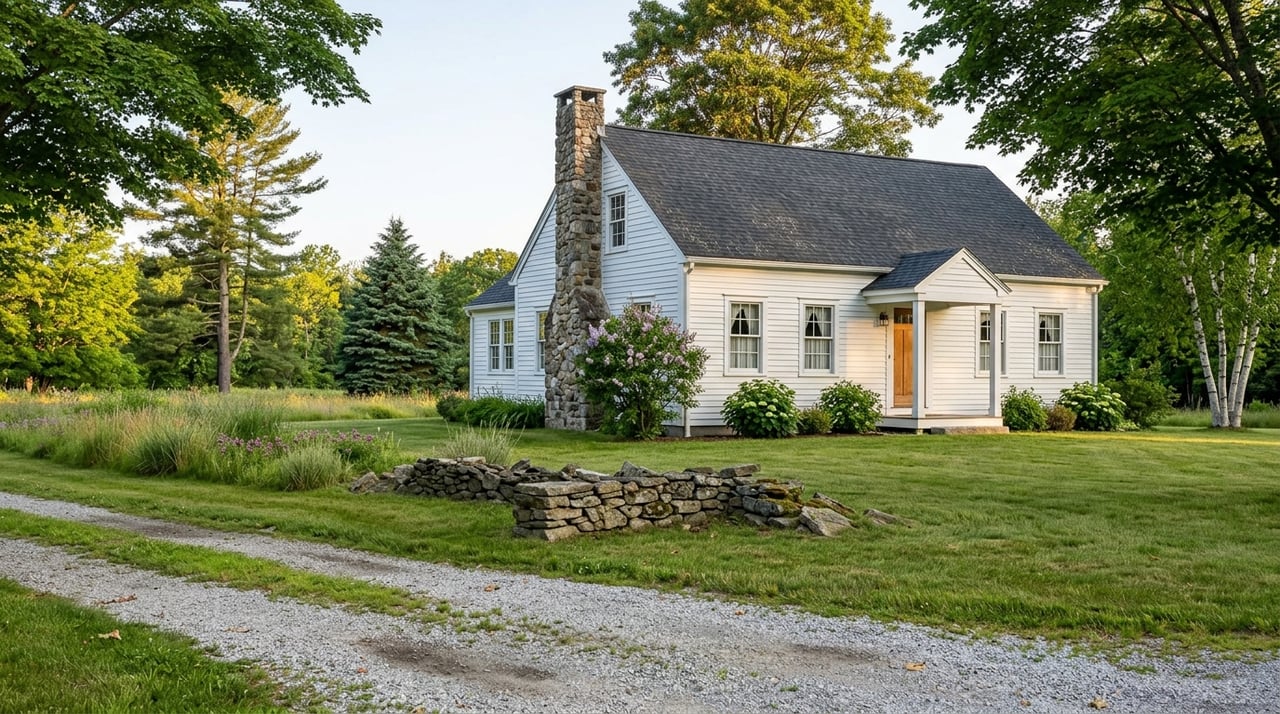
If you picture acreage as peace, privacy, and a little more breathing room, Hampton, CT, may feel like a natural fit. But daily life on land is not just about having a bigger yard. It comes with a different rhythm, more hands-on upkeep, and a closer connection to the rural character that makes Hampton unique. If you are thinking about buying acreage here, it helps to know what everyday ownership really looks like. Let’s dive in.
Hampton Has a True Rural Feel
Hampton describes itself as a rural part of northeastern Connecticut in the Last Green Valley, with room for outdoor activities like hiking, biking, fishing, cross-country skiing, photography, and simple walks through the landscape. That description matters because it reflects how the town sees itself and how the land is meant to function.
The town’s zoning regulations also support that identity. In the main rural residential and agricultural district, known as RA-80, the minimum lot size is 80,000 square feet, or about 1.84 acres, and both residential and agricultural uses are allowed. In practical terms, that means larger lots are part of the local pattern, not the exception.
Acreage Often Means Working Land
In Hampton, acreage is not always just open lawn behind a house. The town’s agricultural regulations allow accessory uses like storage buildings, animal shelters, and the keeping of farm animals and pets. Under specific rules, roadside stands and farm stores are also allowed in the RA-80 zone.
That helps shape the feel of daily life. You may live next to a property with gardens, hay, animals, or small-scale farm activity, and that is part of the local landscape. Hampton’s right-to-farm ordinance makes this even clearer by stating that accepted farm noise, odors, and dust are tied to the town’s heritage and should not be treated as a nuisance by themselves.
What Day-to-Day Ownership Really Involves
Owning acreage in Hampton usually means more outdoor stewardship. Instead of only thinking about the inside of the home, you also need to think about the land, the driveway, the trees, and the systems that support the property.
Hampton Public Works handles town road maintenance, brush and tree work, litter pickup, snowplowing, and transfer-station support. Even with that town support, private property owners still take on plenty of their own upkeep, especially when it comes to snow management, driveway edges, fallen limbs, and brush control.
If you are used to a smaller in-town lot, this can be one of the biggest adjustments. Acreage often asks you to be more proactive. Seasonal chores become part of the routine rather than occasional weekend projects.
Well and Septic Are Part of the Routine
Many acreage properties rely on private wells and septic systems, and that comes with homeowner responsibility. According to the Connecticut Department of Public Health, private well owners are responsible for testing and maintaining their own drinking water. UConn Extension recommends annual well testing.
For septic systems, the Connecticut Department of Public Health says tanks should be inspected and pumped as needed, with an average timeframe of every 3 to 5 years. In Hampton, the Northeast District Department of Health permits and inspects private wells and septic systems.
This does not mean rural ownership is complicated, but it does mean you need the right mindset. You are not just buying a house. You are also taking on systems that need regular attention and good records.
The Transfer Station Is Part of Life
Another practical detail that matters in Hampton is the shared transfer station with Scotland, located in Hampton on Landfill Road. Residents need a sticker to use it, and it is open on Wednesday and Saturday.
That may sound small, but it speaks to how rural living works. On acreage, cleanup jobs can create more brush, bulk waste, and general disposal runs than you might expect. Knowing the schedule and planning around it becomes part of your normal routine.
Outdoor Living Is Built Into the Lifestyle
One of the biggest upsides of living on acreage in Hampton is how naturally outdoor living fits into everyday life. This is a town where the land itself is part of the experience, whether that means gardening, walking your property, watching seasonal changes, or simply enjoying more open space around you.
Hampton also has a visible local-food scene. Homegrown Hampton lists a Friday farmers market that runs from June through September, along with farms and farm stands offering products like vegetables, herbs, eggs, honey, maple syrup, hay, and lamb.
That local rhythm adds something special to acreage living. You are not just living near open land. You are living in a place where agriculture and seasonal production are part of normal community life.
Nearby Recreation Adds Value
For many buyers, acreage in Hampton is appealing because outdoor recreation is close at hand. James L. Goodwin State Forest, located in Hampton and Chaplin, includes roughly 2,000 acres, three ponds, and about 14 miles of maintained trails.
The forest supports hiking, cross-country skiing, horseback riding, fishing, canoeing, and boating. State materials also highlight native plant gardens and educational programs. If you want a property where being outside is part of your weekly routine, that nearby access is a meaningful lifestyle benefit.
Buying Acreage Means Doing More Homework
When you buy a home on acreage, due diligence becomes more important. Hampton’s town resources point to several issues buyers should verify, including zoning permits, building permits, driveway and apron requirements, inland wetlands applications, and land-use maps.
This matters because larger parcels can come with more moving parts. A property may include wetlands, outbuildings, agricultural use, or areas that affect future plans. If you are hoping to add structures, change access, or use the land in a specific way, you want those answers early.
Tax Classification Can Matter
The assessor provides applications related to farm land, forest land, and open space classification. Connecticut’s PA 490 program allows qualifying farmland, forest land, and open space land to be assessed at current use value rather than market value.
For some acreage buyers, that may be an important point to explore during the purchase process. It does not apply to every property, but it is one more reason why rural purchases benefit from careful review of the land itself, not just the house.
Town Errands May Take Planning
Hampton’s Town Hall hours are limited to Tuesday and Thursday, and tax matters are handled through Canterbury rather than at Hampton Town Hall. That setup is not a problem, but it does mean errands and permit questions may take a little more planning than they would in a larger town with more daily office hours.
This is part of the tradeoff that comes with a smaller rural community. You gain space, scenery, and a strong sense of place, but you also need to be more intentional about paperwork, scheduling, and property management.
Is Hampton Acreage Right for You?
If you want low-maintenance living, acreage may not be the best fit. But if you want room to spread out, a landscape shaped by agriculture and open space, and a lifestyle that feels more connected to the land, Hampton offers a very specific kind of appeal.
The best way to think about it is this: living on acreage in Hampton is rewarding when you value both the beauty and the responsibility that come with it. You are not just buying extra square footage outside. You are buying into a rural routine that includes maintenance, planning, and a different pace of life.
If you are considering a move to Hampton or thinking about selling a property with land, working with someone who understands both the home and the land can make the process a lot clearer. When you are ready to talk through acreage, older homes, or what to verify before you buy, connect with Lindsey Niarhakos.
FAQs
What is daily life on acreage like in Hampton, CT?
- Daily life on acreage in Hampton often includes more property upkeep, private well and septic maintenance, seasonal outdoor chores, and a lifestyle closely tied to rural land use and outdoor space.
What zoning should buyers know about for Hampton acreage?
- Hampton’s main rural residential and agricultural district, RA-80, requires a minimum lot size of 80,000 square feet, or about 1.84 acres, and allows residential and agricultural uses.
Are farm activities common near acreage homes in Hampton?
- Yes. Hampton’s regulations and right-to-farm ordinance show that farming is a normal part of local life, and accepted farm noise, odors, and dust are part of the town’s rural setting.
What utilities and systems should buyers check on Hampton acreage?
- Buyers should pay close attention to private well water testing, septic inspection history, and the general condition of land-related features like driveways, drainage, and tree lines.
What should buyers verify before purchasing land in Hampton, CT?
- Buyers should review zoning, permits, driveway requirements, inland wetlands considerations, land-use maps, and any possible farm land, forest land, or open space classification tied to the property.
Are there outdoor recreation options near Hampton acreage properties?
- Yes. James L. Goodwin State Forest in Hampton and Chaplin offers about 14 miles of maintained trails, three ponds, and activities like hiking, fishing, canoeing, horseback riding, and cross-country skiing.