If you just inherited a home in Hampton, you may be asking one big question: What do I do first? Between probate, clean-out, repairs, taxes, and the emotions that often come with an estate, it can feel hard to know where to start. The good news is that you do not need to figure it all out at once. With the right order of steps, you can make clear decisions, avoid common delays, and move toward a sale with more confidence. Let’s dive in.
Start With Legal Authority
Before you think about paint colors, dumpsters, or listing photos, confirm who has the legal authority to sell the home. In Connecticut, an estate generally must be opened if the person who passed away owned the property in their name alone at death. Because the small-estate process does not apply to real estate, a house usually means the shortcut is not available. According to the Windham-Colchester Probate Court and the state’s guide to estate administration, this is often the first issue to sort out.
If the property was held with survivorship rights, probate may not be required for the transfer itself. Even so, you may still need to address estate reporting requirements depending on the circumstances. The key point is simple: do not assume you can sign listing paperwork or a contract until authority is clear.
Who Can Handle the Sale?
The probate guide explains that an executor or administrator may be a family member, beneficiary, attorney, or bank. Legal counsel is not always required, but it may be helpful if the estate includes tax issues, unusual assets, or disputes among heirs.
Probate court staff can help with forms and procedural questions, but they cannot give legal advice. If there is any uncertainty about title, authority, or required filings, getting clarity early can save you time later.
Why Hampton Homes Need a Practical Plan
Hampton has a very specific housing profile, and that matters when you inherit property here. The town describes itself as part of The Last Green Valley, with open space, woodlands, and farms. Its housing plan notes that Hampton is largely a low-density, single-family community, with 93.5% of housing units identified as single-family detached and 82% owner-occupied based on 2018 ACS data.
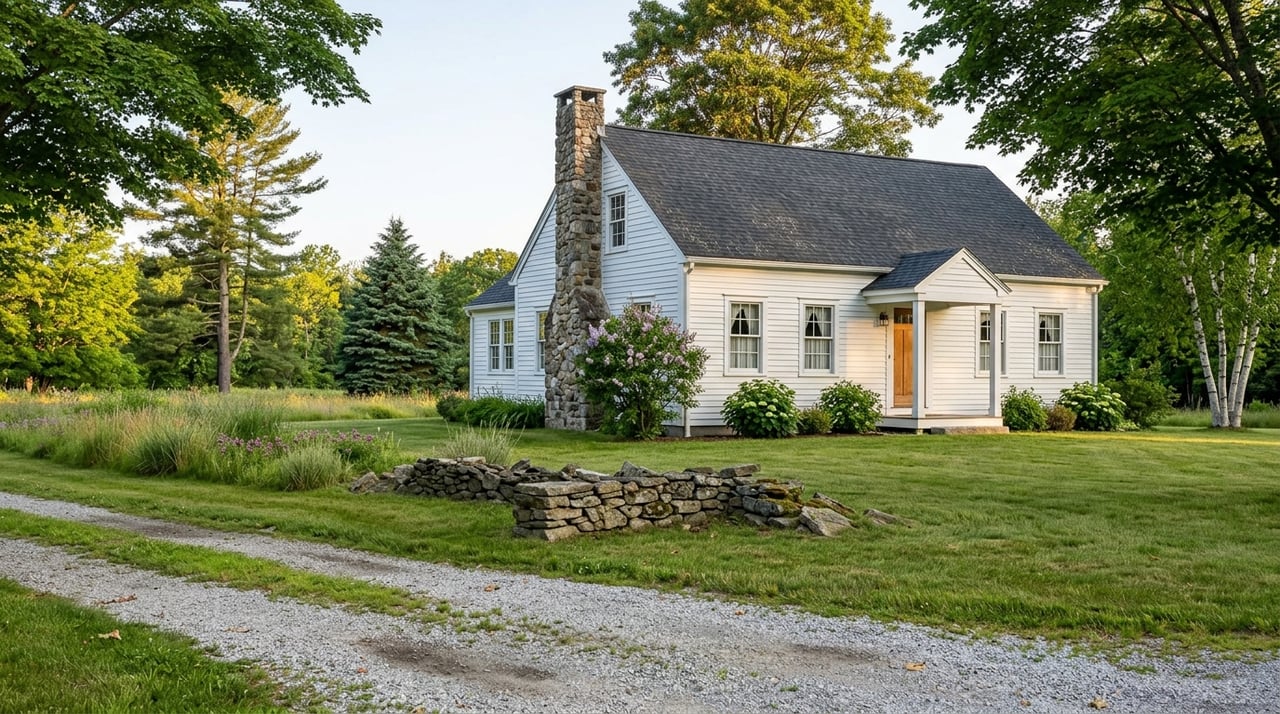
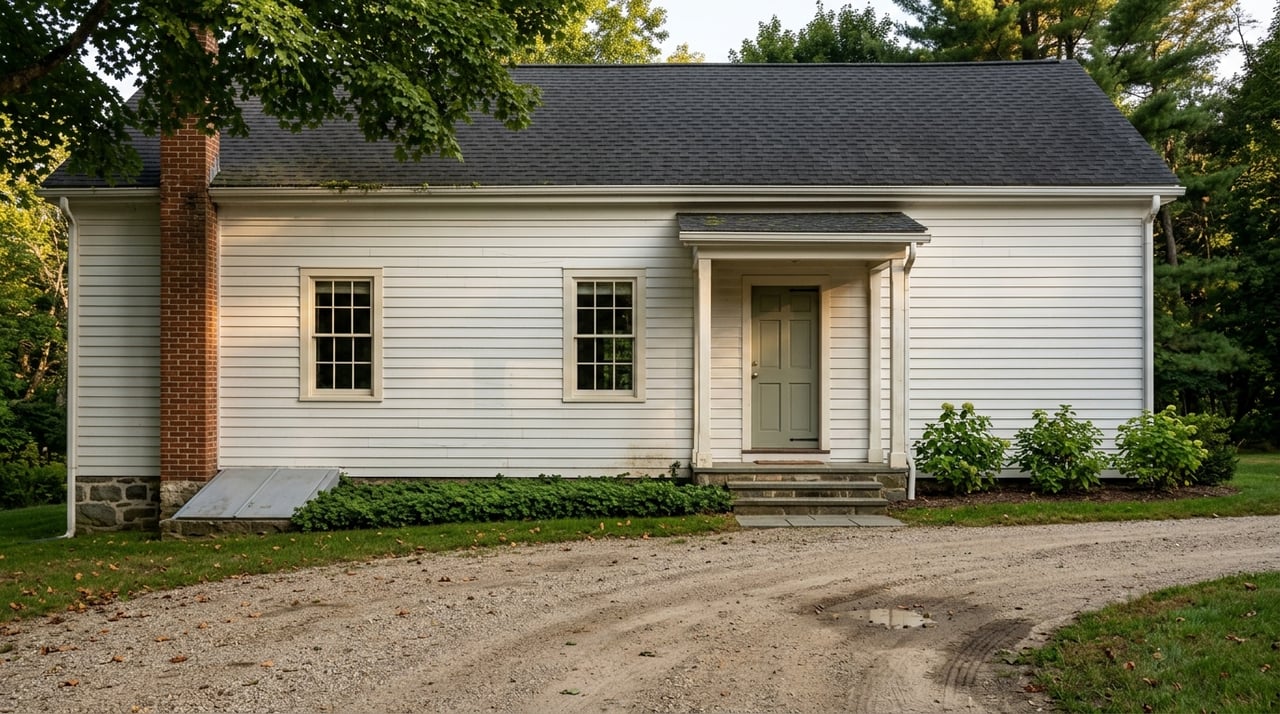
In plain terms, many inherited homes in Hampton are not cookie-cutter properties. They may be older homes with outbuildings, extra land, deferred maintenance, private wells, septic systems, or years of accumulated belongings. Hampton’s housing plan also notes that aging housing stock can be a general sign of poorer housing quality, which is why a systems-first approach often makes more sense than jumping into broad cosmetic updates.
Focus on Function First
If you inherited a Hampton property, start by looking at the home as a whole system. That means the structure, roof, heating, plumbing, electrical, well, septic, driveway, land, and any barns or sheds. In many cases, those items matter more to buyers than new fixtures or fresh paint.
This is especially true if the property includes acreage or special land classifications. Hampton’s assessor resources can help you track parcel details, tax maps, and forms related to forest land, farmland, and open space classifications.
Gather Records Before Clean-Out
One of the smartest things you can do is gather paperwork before the house is emptied. That includes:
- The will or probate paperwork
- The deed
- Mortgage payoff information
- Property tax bills
- Surveys or plot plans
- Utility records
- Receipts for major improvements
- Old closing statements or contractor invoices
These records help with the sale, but they can also matter for taxes. The IRS states in Publication 530 that the basis of an inherited home is generally its fair market value on the date of death, or the alternate valuation date if elected. The same IRS guidance also explains that capital improvements like roofs, wiring, plumbing, additions, and similar work can affect basis, which is why it is wise to preserve receipts and documentation before anything gets discarded.
Do Not Toss Useful Paperwork
It is common for families to start cleaning out the home quickly, especially if they are trying to reduce stress. But old folders, contractor receipts, permits, or closing documents can be more valuable than they look.
Before you clear file cabinets or attic boxes, separate anything related to ownership, improvements, taxes, and utilities. That small step can make a big difference later.
Check Parcel and Tax Details Early
Inherited properties in Hampton may have more complexity than a standard suburban lot. If the home includes land, outbuildings, or a history of farm, forest, or open-space use, verify those details before making pricing or repair decisions.
The town’s assessor information is useful for confirming record cards, parcel information, and land-related details. The town also directs tax-balance and billing questions to the Windham Regional Revenue Collector, which can be important if you need to resolve delinquent taxes or clarify proration before closing.
Address Well and Septic Questions
For many Hampton properties, the water and wastewater systems deserve early attention. If the home has a private well, Connecticut requires notice and educational material before the sale, exchange, purchase, transfer, or rental of property with a private or semipublic well. The Connecticut Department of Public Health provides educational material for real estate transactions involving private wells.
That same DPH guidance says private well owners are responsible for testing and maintaining their own wells, and it recommends annual testing for basic indicators, plus additional testing after repairs or flooding. Hampton’s town site lists the Northeast District Department of Health as the local health department contact for well-related questions.
Septic Comes Before Cosmetics
If the property uses septic, treat that as a priority item too. Connecticut states that septic tank and sewer installers and cleaners must be licensed through the state Department of Public Health.
That matters because sellers sometimes spend money on cosmetic work first, only to learn later that the well or septic system is the bigger concern. In many inherited-home sales, confirming those systems early helps you decide whether targeted repairs are worthwhile or whether selling as-is makes more sense.
Decide Whether to Repair or Sell As-Is
This is one of the biggest decisions heirs face, and the answer depends on the home’s condition, timeline, budget, and the estate’s goals. In Hampton, inherited homes often benefit from practical, limited prep rather than a full remodel.
A good rule of thumb is to separate repairs into three buckets:
- Must-address issues like access, safety, active leaks, failed systems, or title-related obstacles
- High-impact improvements that may improve marketability without major cost
- Nice-to-have updates that may not return enough value to justify the time or expense
When As-Is May Be Smarter
Selling as-is can be the better path when:
- The home needs broad updating
- The estate wants a faster timeline
- Heirs live out of area
- Budget for repairs is limited
- The biggest concerns are system-related, not cosmetic
- The property has older-house quirks that make renovation less predictable
That does not mean doing nothing. Even in an as-is sale, basic clean-out, mowing, trash removal, and selective touch-ups can make the property easier for buyers to evaluate.
Plan the Clean-Out Logistically
Clean-out can take longer than families expect, especially in older homes with basements, sheds, garages, or barns. If you are handling the process from out of town, a simple schedule is often the best approach: paperwork first, valuables next, personal keepsakes after that, then donation, disposal, and final sweep.
Hampton provides a useful local detail here. The town’s homepage notes that residents still need a transfer station sticker to use the station, even though they no longer pay for one. If you are coordinating debris removal or multiple trips for furniture and household contents, that is worth confirming early.
Expect a Different Timeline Than a Standard Sale
Selling an inherited home in Hampton can take longer than a typical resale, not because it is impossible, but because there are more moving parts. Probate timing, title questions, tax filings, clean-out, and system checks all affect when the home is truly ready for market.
Connecticut’s Department of Revenue Services states that no estate tax is due if the Connecticut taxable estate is $13.99 million or less. In those cases, estates generally file CT-706 NT through Probate Court rather than a taxable return with DRS. If an estate does need to file CT-706/709 and includes Connecticut real property, the estate’s Connecticut attorney or corporate fiduciary must request release of the estate tax lien before the property is sold.
Build Around the Slowest Step
In practice, the smartest strategy is to identify the one issue most likely to slow everything down. That may be probate, title, clean-out, well testing, septic work, or document gathering. Once you know that, you can build the rest of the plan around it.
This keeps you from spending money in the wrong order and helps you set more realistic expectations from the start.
A Simple Order of Operations
If you are trying to keep the process manageable, this is a practical sequence to follow:
- Confirm who has legal authority to act
- Gather probate documents and ownership records
- Verify parcel, tax, and land details
- Save receipts and improvement records for tax purposes
- Sort personal property before full clean-out
- Evaluate the home’s core systems first
- Decide whether targeted repairs or as-is sale makes more sense
- Prepare the property for market based on condition and goals
For many Hampton estates, the best outcome comes from staying organized, keeping expectations realistic, and focusing on the items that truly affect value and marketability.
If you are working through the sale of an inherited property and want direct, practical guidance on what to do first, what to fix, and how to position the home for the market, Lindsey Niarhakos can help you build a clear plan from day one.
FAQs
Who can sell an inherited home in Hampton, CT?
- The person with legal authority to act for the estate, such as an executor or administrator, is typically the one who can sign sale documents. Authority should be confirmed before listing the property.
Does a Hampton inherited house have to go through probate before sale?
- If the deceased person owned the property in their name alone, the estate generally must be opened. Real estate usually does not qualify for Connecticut’s small-estate shortcut.
What records should heirs keep when selling an inherited home in Hampton?
- Keep the will, probate papers, deed, tax bills, mortgage information, surveys, utility records, and receipts or invoices for major improvements such as roofing, plumbing, wiring, or additions.
Should I repair or sell an inherited Hampton home as-is?
- That depends on the home’s condition, your budget, timeline, and estate goals. In many Hampton properties, checking major systems first helps you decide whether limited repairs or an as-is sale is the more practical option.
What should Hampton sellers know about private wells?
- Connecticut requires notice and educational material in transactions involving private or semipublic wells, and private well owners are responsible for testing and maintenance.
What should Hampton sellers know about septic systems?
- If septic work is needed, Connecticut requires licensed septic tank and sewer installers or cleaners. It is often smart to evaluate septic condition before spending money on cosmetic updates.