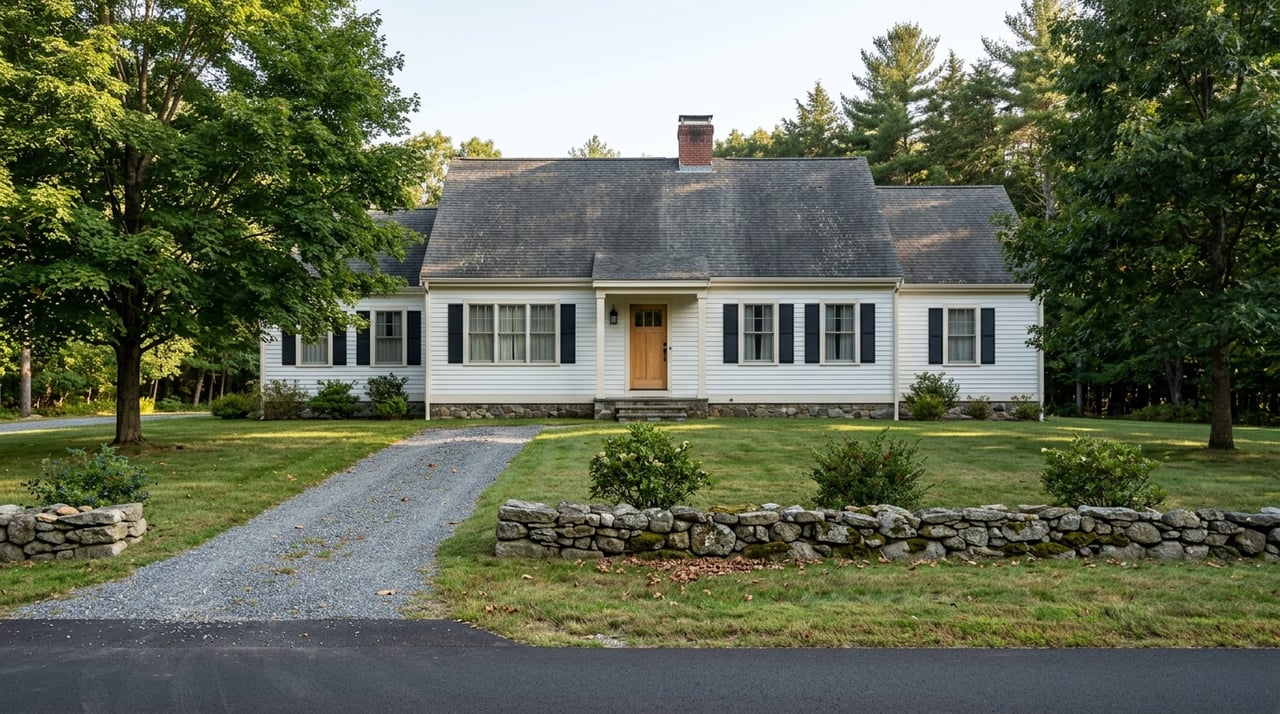
If you are looking for a Connecticut town with a quieter pace, historic character, and easy access to the outdoors, Chaplin is worth a closer look. For many buyers, the challenge is figuring out whether a small rural town will truly fit daily life, not just look appealing on paper. This guide will help you understand what it is actually like to live in Chaplin, from housing and amenities to recreation and commuting, so you can decide if it feels like the right move for you. Let’s dive in.
Chaplin at a Glance
Chaplin is a small town in Windham County in northeastern Connecticut’s Quiet Corner. According to the Connecticut Conference of Municipalities community profile, the town has 2,157 residents, covers 19.6 square miles, and has a 79.98% owner-occupied housing rate.
Those numbers tell you a lot about the town’s feel. Chaplin is not a dense suburb or a busy commercial hub. It is a small, mostly owner-occupied community where homes, open land, and local roads shape everyday life.
Chaplin Feels Historic and Rural
One of the clearest things you notice about Chaplin is its historic layout. The town’s history page explains that the village center developed around Chaplin Street and the Natchaug River, and that the straightening of Route 198 in 1929 helped preserve the older village pattern.
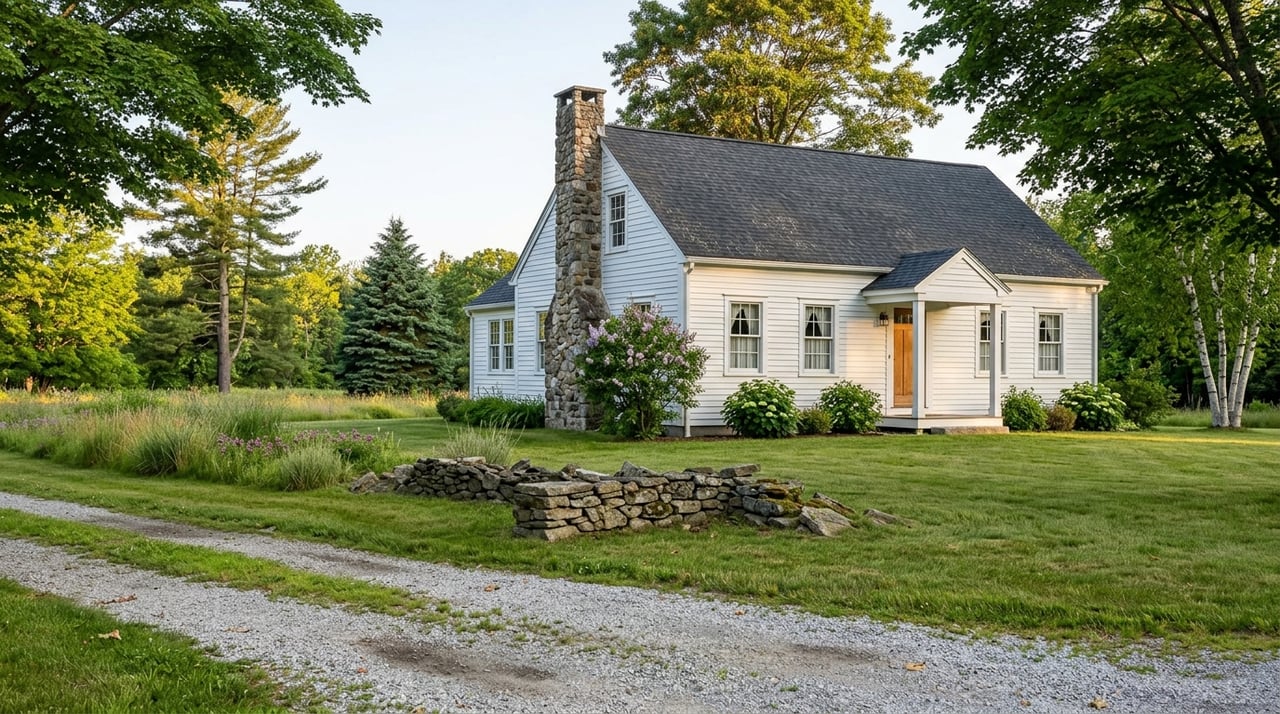
That matters if you are drawn to places with a sense of continuity and character. Instead of feeling like a newer subdivision built around modern traffic patterns, Chaplin still reads more like a historic hamlet with a preserved center and a strong connection to its past.
The town’s historic identity is especially visible along Chaplin Street. The Chaplin Historic District includes 43 properties along roughly four-fifths of a mile, with many buildings dating to the years after 1815 and showing late Georgian and early Greek Revival design.
Housing in Chaplin
If you are considering a move here, housing style and lot size are big parts of the story. Chaplin’s affordable housing plan says most of the town is in the Rural Agricultural Residence district, where single-family homes typically require a 2-acre minimum lot size.
That zoning pattern helps explain why Chaplin feels spread out and residential. The same plan notes that detached accessory apartments and two-family dwellings require 4 acres in that district, and multifamily buildings with three or more units are not allowed there.
For you as a buyer, that usually means more space between homes and a more rural setting. It also means Chaplin has a less varied housing mix than some nearby towns with denser centers or larger apartment inventory.
The town plan shows that multifamily structures make up 7% of the housing stock and two-unit buildings make up 2.9%. It also notes that about 22.4% of Chaplin’s housing stock was built before 1950, which is important if you like older homes and the character they can offer.
That older housing stock can be a real draw, but it also means you may want to pay close attention to condition, systems, and upkeep when you tour homes. In a town like Chaplin, practical home knowledge matters just as much as curb appeal.
Homeownership Is a Big Part of Life Here
Chaplin leans strongly toward homeownership. The CCM profile reports a 79.98% owner-occupied housing rate, along with a 2023 median home value of $242,700 and a median household income of $96,582.
For renters, there is some inventory, but it is limited compared with more populated towns. CCM reports a 2023 median rent of $1,180, which fits with the town’s modest rental market and primarily owner-occupied base.
In practical terms, Chaplin may appeal most to buyers who want a single-family home, a rural setting, and a town where ownership is the norm. If you are hoping for lots of rental choices or a broad mix of housing types, this is likely not the strongest fit.
Daily Life Centers Around a Small Civic Core
Even though Chaplin is rural, it does have a recognizable civic center. The town’s Plan of Conservation and Development says many municipal facilities are located on or near Route 198, including Town Hall, the highway department, transfer station, senior center, library, Edward Garrison Park, and the volunteer fire department.
That setup gives the town a compact core for everyday essentials and public services. You are not looking at a downtown packed with blocks of shops and restaurants. Instead, Chaplin’s community life is organized around a small set of civic destinations that are easy to picture and access by car.
The Chaplin Public Library is part of that cluster at 130 Chaplin Street, next to the senior center. Its services include books, computers, Wi-Fi, and a meeting room, which makes it a useful local resource for both routine needs and community connection.
Recreation Is a Major Lifestyle Perk
For many people, one of the best parts of living in Chaplin is how close you are to outdoor recreation. The town planning documents identify the Natchaug River, Diana’s Pool, Natchaug State Forest, James L. Goodwin State Forest, and the Airline Trail as key natural assets.
If you like hiking, trail access, fishing, or simply having more open landscape around you, Chaplin offers a lot for a small town. This is one of those places where outdoor space is not an occasional feature. It is part of the town’s everyday identity.
The town also points to the Natchaug Trail, a 19.5-mile blue-blaze trail route, as part of the local recreation network. According to DEEP information cited in the town planning documents, James L. Goodwin State Forest covers more than three square miles and includes an equestrian trail and the Air Line Trail, while Natchaug State Forest offers hiking, fishing, a horse camp, and seasonal uses.
Closer to the civic center, Edward Garrison Park serves as a major local gathering place. The town says the park is open from sunrise to sunset and includes a pavilion, bathrooms, a snack bar, a disc golf course, walking areas, and an arboretum project.
Chaplin Is Best for Car-Based Living
When you picture daily life in Chaplin, it helps to think in terms of driving rather than walkability. The town plan says Chaplin’s road system is made up mostly of rural roads, with US Route 6 and CT Route 198 serving as the main transportation corridors.
Route 6 is especially important because the town identifies it as Chaplin’s commercial artery. That means errands, local services, and regional connections tend to revolve around that corridor rather than around a traditional busy downtown.
The same planning document notes that Chaplin has 36.11 miles of accepted town roads, and that Route 198 follows the same general corridor as the historic village and the Natchaug River. CTDOT also lists a park-and-ride lot on Route 6, about 0.4 miles south of Route 198, with 26 spaces.
For you, the takeaway is simple. Chaplin works best if you are comfortable with a driving-oriented lifestyle and want a quieter home base with access to the wider region by road.
Who Usually Likes Living in Chaplin?
Chaplin tends to make sense for buyers who want space, privacy, and a more rural New England setting. If you value larger lots, older homes, and nearby forests and trails, the town checks a lot of boxes.
It may also appeal if you like places with visible history and a small-town civic structure instead of a more built-up commercial environment. The preserved village center and older housing stock give Chaplin a distinct identity that feels different from more suburban parts of Connecticut.
On the other hand, your fit may be weaker if you want dense retail, a wide range of housing types, or a highly walkable day-to-day routine. Chaplin’s character is tied to its rural land use, small population, and car-based patterns, so it helps to be sure that lifestyle matches what you want.
Why Chaplin Stands Out
What makes Chaplin stand out is not just that it is small. It is that the town’s history, housing pattern, and natural surroundings all line up in a very consistent way.
You have a preserved village center, larger-lot residential zoning, older homes, a compact civic core, and strong access to rivers, forests, and trails. Together, those features create a place that feels rooted, quiet, and landscape-driven.
If that sounds like the kind of lifestyle you want, Chaplin can be a very appealing option in Northeast Connecticut. And if you are comparing towns, understanding these on-the-ground details can help you choose a place that fits both your home search and your daily routine.
If you are thinking about buying or selling in Chaplin or anywhere in Northeast Connecticut, Lindsey Niarhakos can help you evaluate the market, understand local housing stock, and move forward with a clear plan.
FAQs
What is the overall feel of living in Chaplin, CT?
- Chaplin feels rural, small-scale, and historic, with a preserved village center, mostly owner-occupied housing, and strong access to open space and outdoor recreation.
What kind of housing can you expect in Chaplin, CT?
- Chaplin is largely made up of single-family homes on larger lots, with most of the town requiring 2-acre minimum lots in the Rural Agricultural Residence district and relatively little multifamily housing.
Is Chaplin, CT a good place for buyers who want older homes?
- Chaplin can appeal to buyers who like older homes, since about 22.4% of the housing stock was built before 1950 and the town has a well-known historic district along Chaplin Street.
What amenities are available in Chaplin, CT?
- Chaplin has a compact civic core with Town Hall, the library, senior center, Edward Garrison Park, the volunteer fire department, and other municipal facilities located on or near Route 198.
What is commuting and transportation like in Chaplin, CT?
- Chaplin is primarily car-based, with US Route 6 and CT Route 198 serving as the town’s main travel corridors, plus a CTDOT park-and-ride lot on Route 6.
What outdoor recreation is near Chaplin, CT?
- Outdoor recreation is a major part of life in Chaplin, with access to the Natchaug River, Diana’s Pool, Edward Garrison Park, Natchaug State Forest, James L. Goodwin State Forest, the Air Line Trail, and the Natchaug Trail.