If you are drawn to the idea of mornings by the water, a close-knit town feel, and a home that supports year-round living, Columbia may be exactly what you are looking for. But buying or selling near the lake here is not quite the same as buying or selling in a typical neighborhood. When you understand how Columbia Lake shapes housing, permits, and day-to-day ownership, you can make smarter decisions with fewer surprises. Let’s dive in.
Why Columbia feels like a true lake town
Columbia is not simply a town that happens to have a lake. Columbia Lake sits at the center of the town’s identity, and the town’s planning documents tie that connection back to 1865, when the lake was created as a reservoir. Today, that water-centered identity shows up in the town beach, beach passes, boat and kayak moorings, recreation programs, boating classes, swim lessons, summer concerts, and even a lake weather station.
That matters when you are thinking about homeownership here. In many towns, water access is more of a backdrop. In Columbia, lake life is woven into how residents use the town, spend free time, and think about property value and lifestyle.
If you want a quieter water setting within town, Mono Pond State Park Reserve adds another layer to Columbia’s outdoor appeal. The Connecticut Department of Energy and Environmental Protection describes it as a 218-acre reserve with boating, fishing, hiking, picnicking, and cross-country skiing, with boating best suited for canoe, kayak, and rowboat use because of shallow water.
Columbia lake homes have a distinct pattern
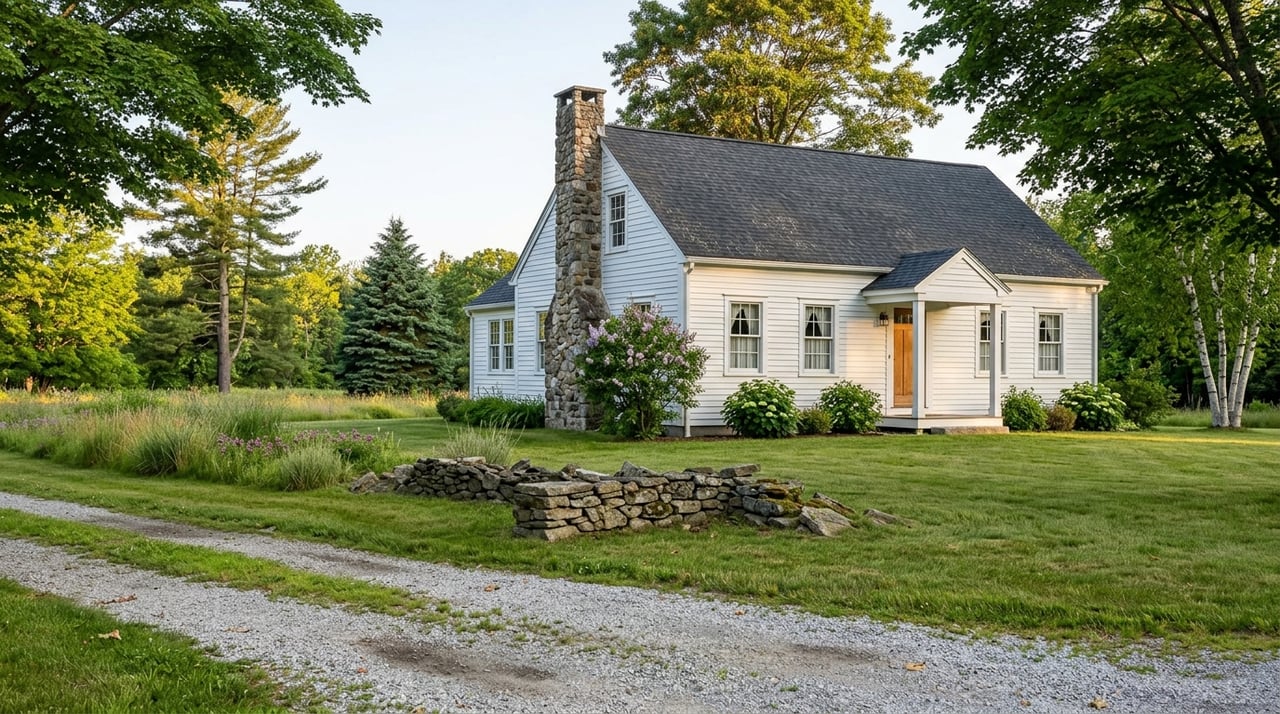
If you are shopping for a home near Columbia Lake, it helps to know that the housing pattern reflects the area’s history. The town’s 2016 Plan of Conservation and Development describes the lake community as Columbia’s densest residential area, with many lots under one-half acre. It also explains that many homes were built in early subdivisions before zoning, and that older seasonal cottages gradually gave way to larger year-round homes.
That mix is a big part of the area’s character. You may find older cottages that were expanded over time, year-round homes on compact lots, and properties that need practical evaluation rather than a quick first impression. In a town where single-family detached homes make up about 90% of the housing stock, Columbia strongly leans toward detached residential living.
For buyers, this means a lake-area home may offer charm and location, but not always a simple, turnkey setup. For sellers, it means buyers are often looking closely at how an older home has been maintained, updated, or expanded.
What smaller lots can mean for owners
Many lake lots do not meet current lot-size expectations, according to the town plan. That becomes important if you are thinking about adding a garage, expanding a footprint, or making major exterior changes.
In practical terms, improvements may need zoning review to determine whether the work fits the surrounding area or whether a hardship exists. If you own near the lake, your property rights still matter, but the review process can be more layered than it would be on a larger inland lot.
Lake access is not the same as public lake access
One of the most important things to understand is that Columbia Lake is not a public-access lake in the usual sense. The state’s boater guide lists no public access, and the town’s ordinance limits motorboat use to resident-owned, qualified nonresident, qualified temporary resident, town-owned, or board-approved vessels.
That controlled access is a meaningful part of how the lake functions. If you are buying here for the lifestyle, this can be a benefit because access is structured rather than open-ended. If you are selling, this is also useful context for helping buyers understand what ownership does and does not include.
What owners should know about boating rules
The town ordinance caps vessel length at 26 feet. It also prohibits wake jumping and bars sewage discharge from vessels. The state boater guide adds lake-specific waterskiing and horsepower limits.
These are not small details. If lake use is part of your decision-making, it makes sense to confirm how your plans line up with local rules before you buy, not after closing.
Waterfront improvements require approvals
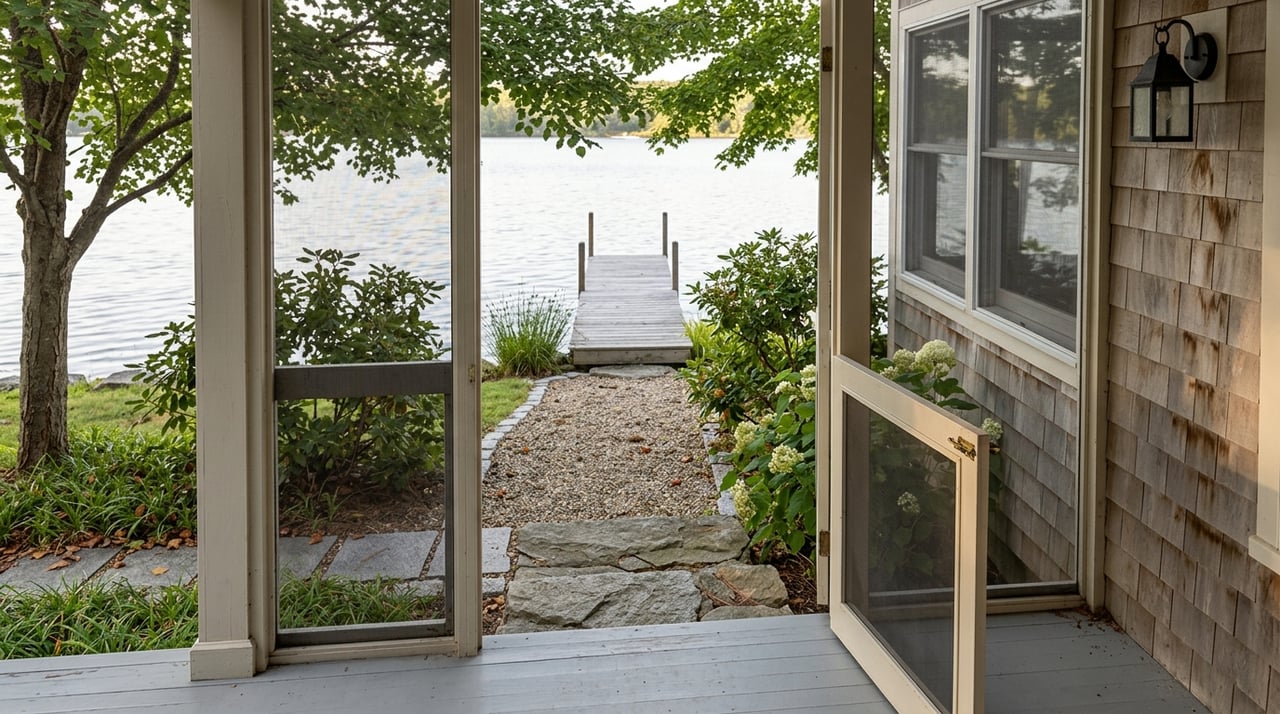
Waterfront ownership often comes with added review, and Columbia is no exception. Homeowners who want to build or repair a dock, seawall, or patio on Columbia Lake must submit a permit to the Board. The Lake Management Advisory Commission advises the Board of Selectmen on matters involving Columbia Lake, its watershed, and adjacent town-owned property.
There is also a wetlands layer to consider. Columbia’s inland wetlands regulations require a permit for regulated activity within 100 feet of wetlands or watercourses, or within 200 feet of an area of special concern. Applications involving land within the Columbia Lake high-water mark must include the Columbia Lake Management Association as a co-applicant.
For buyers, this means you should not assume every existing shoreline feature was built with the approvals now expected. For sellers, it is smart to gather records for any past dock, wall, shoreline, or patio work early in the process.
Maintenance matters more near the water
In Columbia, maintenance is a major part of protecting both your property and the lake environment. Many homes rely on private wells and septic systems, which shifts more responsibility to the homeowner.
The Connecticut Department of Public Health says private well owners are responsible for testing and maintaining their own wells. It also recommends pumping septic tanks every 3 to 5 years with a licensed pumper, and warns that poorly maintained septic systems can contaminate groundwater or surface water.
Near Columbia Lake, those responsibilities carry extra weight. The town’s lake-protection rules encourage septic pump-outs, low-phosphorus fertilizers, and stormwater best management practices near the lake.
Smart due diligence for buyers
If you are buying near the lake, your checklist should go beyond the basics. A beautiful view is important, but systems, records, and site conditions matter just as much.
Focus on items like:
- Well water testing
- Septic age and maintenance history
- Drainage and runoff patterns
- Records for past dock, wall, or shoreline work
- Any approvals tied to work near the water
This is where practical house knowledge really helps. In a market with older homes and site-specific conditions, details that seem small at first can affect your costs, timeline, and long-term plans.
What sellers should prepare before listing
If you own a Columbia lake-area home and are thinking about selling, preparation can make a big difference. Buyers are often excited by the lifestyle first, but they usually become more cautious once they start looking at lot size, systems, access rules, and past improvements.
Before listing, it helps to organize:
- Septic service records
- Well testing information
- Permit or approval paperwork for shoreline features
- Notes on drainage improvements or stormwater management
- A clear summary of lake access, moorings, or recreation-related benefits tied to the property
This kind of preparation builds confidence. It also helps keep a transaction moving when buyers ask detailed questions during inspections and attorney review.
Year-round living is part of Columbia’s appeal
A common question is whether Columbia Lake is mostly seasonal. The answer is both yes and no. The town plan says seasonal cottages gradually gave way to larger year-round homes, so the area still carries some second-home character, but it also supports full-time living in a meaningful way.
That balance is part of what makes Columbia appealing. You can enjoy the feel of a lake community without giving up the structure of year-round homeownership.
Why local guidance matters here
Columbia lake properties reward buyers and sellers who pay attention to details. Older housing stock, smaller lots, private systems, and lake-related approvals can all shape the transaction in ways that are easy to miss if you are used to a more typical suburban property.
That is why local, property-level guidance matters. When you work with someone who understands older homes, local process, and the practical side of ownership, you are in a much stronger position to ask the right questions, spot potential issues, and move forward with confidence.
If you are thinking about buying or selling in Columbia, Lindsey Niarhakos can help you navigate the details with clear guidance, direct communication, and local insight from start to finish.
FAQs
What makes Columbia, CT feel like a lake town?
- Columbia has a strong water-centered identity built around Columbia Lake, with a town beach, moorings, recreation programs, boating classes, swim lessons, summer concerts, and a formal lake management structure.
Is Columbia Lake in Connecticut open to public boat access?
- No. State and town rules indicate Columbia Lake does not have public access in the usual sense, and motorboat use is limited to specific approved or qualified categories.
Are many Columbia lake homes seasonal properties?
- The area includes both seasonal history and year-round living. The town says older seasonal cottages gradually gave way to larger year-round homes.
Do Columbia waterfront homeowners need permits for docks or seawalls?
- Yes. Homeowners who want to build or repair a dock, seawall, or patio on Columbia Lake must submit a permit to the Board, and some work may also trigger wetlands review.
What should buyers check before buying a home near Columbia Lake?
- Buyers should closely review well water testing, septic age and maintenance, drainage and runoff, and records for any past shoreline, dock, wall, or patio work.
Do many homes in Columbia, CT use private wells and septic systems?
- Yes. Many Columbia homes rely on private wells and septic systems, which means owners are responsible for ongoing testing and maintenance.