If you want to hit the summer market in Tolland, waiting until the last minute can cost you. Even in an active market, buyers notice condition, cleanliness, and how a home feels the moment they scroll through photos or pull into the driveway. The good news is that with a clear plan, you can focus on the updates that matter most, avoid rushed decisions, and get your home ready to show at its best. Let’s dive in.
Why summer prep matters in Tolland
Tolland’s market has been active, with recent reports showing homes selling close to asking and, in one May 2026 snapshot, at a 104% sale-to-list ratio with a median 30 days on market. That does not mean every home sells itself. It means buyers are paying attention, and well-prepared homes are in a strong position.
Summer also brings its own challenges. NOAA climate normals for the Hartford Bradley area show average highs in the 80s in July and August, along with a little more than four inches of rain each month. In practical terms, heat, humidity, and pop-up rain can make exterior work and last-minute touch-ups harder, so starting early gives you more control.
Start 60 to 90 days ahead
A summer listing usually goes more smoothly when you begin prep well before the sign goes in the yard. A 60 to 90 day runway gives you time to make smart choices, schedule vendors, and avoid throwing money at the wrong projects.
Here is a simple timeline to follow.
8 to 12 weeks out
This is the time to build your plan. You should walk through the house with a critical eye, make a list of repairs, and decide what needs attention first.
It is also the right window to connect with your agent and talk through pricing, timing, and marketing. If your home has older systems, past updates, or quirks that need context, getting that conversation started early can save time later.
6 to 8 weeks out
Focus on strategic repairs and improvements. This is where you handle the issues that could make buyers pause, such as deferred maintenance, visible wear, or items likely to come up during inspections.
The goal is not to make the house perfect. The goal is to make it feel cared for, functional, and move-in ready.
4 to 6 weeks out
This is your decluttering, deep cleaning, and staging window. Tolland’s housing stock is largely single-family and family-sized, with many homes offering three or more bedrooms and a median of 6.7 rooms. That means buyers are often paying close attention to room function, storage, and whether the layout feels organized.
2 to 4 weeks out
Now it is time to finalize listing materials and schedule photography. Since online first impressions are so important, this is when details matter most, from the front walkway to the kitchen counters.
1 to 2 weeks out
Use this final stretch for finishing touches. Freshen mulch if needed, replace worn mats, put away hoses and toys, and make a plan for showings so your home stays consistent once it hits the market.
Prioritize the repairs that matter most
One of the biggest mistakes sellers make is spending money in the wrong places. Before you tackle cosmetic wish-list items, take care of the maintenance issues that can affect buyer confidence.
Think about anything that reads as neglect rather than style. A buyer may not love an older bathroom vanity, but peeling paint, a sticking door, broken light fixture, or water stain creates a very different reaction.
Fix deal-breakers first
Start with items like:
- Leaky faucets or visible plumbing drips
- Damaged trim or drywall
- Non-functioning light fixtures or switches
- Loose railings or steps
- Cracked windows or torn screens
- Signs of water intrusion or past moisture issues that need documentation
- HVAC, roof, or appliance issues if they affect function
If you are not sure what is worth fixing, a practical, property-level review can help you sort true red flags from items that are simply normal wear.
Keep updates simple and neutral
Consumer guidance consistently points to the same basics for seller prep: declutter, deep clean, use neutral paint where needed, clean windows, and remove highly personal decor. These updates tend to help more than trendy finishes that may not match a buyer’s taste.
If you paint, choose clean and simple colors. If you replace fixtures, keep them classic and functional. The house should feel fresh, not overdone.
Focus on the rooms buyers notice first
You do not have to stage every inch of the home to make a strong impression. According to NAR’s 2025 staging survey, the rooms with the biggest impact are the living room, primary bedroom, and kitchen.
That lines up with how buyers shop today. They often decide whether to visit a home based on photos, and those spaces do the heavy lifting online.
Living room
Make the living room feel open and easy to understand. Remove extra furniture, clear side tables, and create a layout that shows traffic flow.
If the room is large, define the space so buyers can see how it functions. If it is smaller, avoid crowding it with too many pieces.
Primary bedroom
The primary bedroom should feel calm and spacious. Clear off dressers, simplify bedding, and remove excess furniture if the room feels tight.
Buyers are often trying to judge not just size, but comfort. A clean, restful setup helps them picture how they would use the space.
Kitchen
In the kitchen, less is more. Clear counters, store away small appliances, and make sure lighting is bright and even.
Because kitchens show wear quickly, this is also a place where deep cleaning matters. Grease, fingerprints, and clutter stand out fast in listing photos.
Boost curb appeal for summer showings
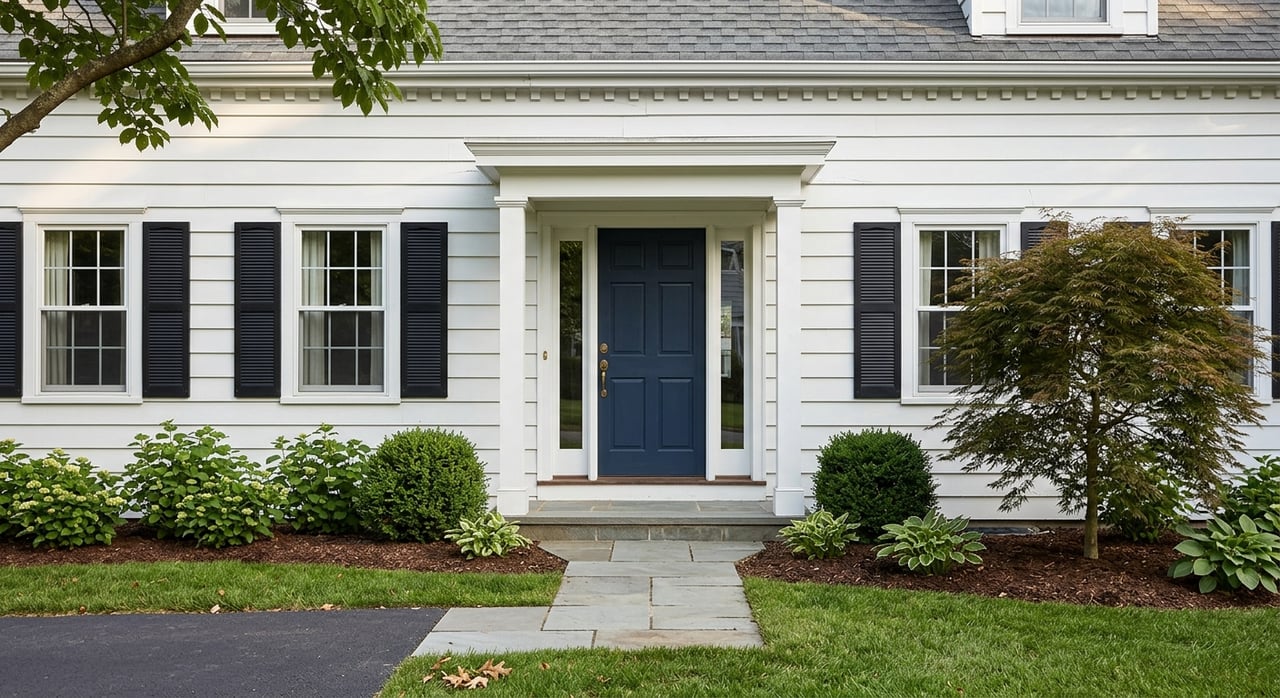
In summer, the outside of your home gets even more attention. Green lawns, full landscaping, and longer daylight can work in your favor, but only if the exterior looks maintained.
Small curb appeal projects can have a big effect on first impressions.
Exterior tasks worth doing
- Mow and edge the lawn regularly
- Trim shrubs and low tree branches
- Weed garden beds
- Sweep walkways and the front entry
- Repair visible driveway cracks if practical
- Replace a worn doormat
- Update or clean exterior lighting
- Put away hoses, tools, and toys
- Clean siding, steps, and front door as needed
Clean windows also make a difference inside and out. In bright summer light, dirt and streaks are much easier to see.
Get paperwork organized early
In Connecticut, seller prep is not just about paint colors and landscaping. Your paperwork matters too, and getting it together before listing can help prevent delays.
The Connecticut Residential Property Condition Report must be given to the buyer before the buyer signs a binder, purchase contract, option, or lease with a purchase option for qualifying residential property. If a seller does not provide it, the buyer must receive a $500 credit at closing.
Gather these documents now
Before your home goes live, pull together:
- Permits for past work, if available
- Contractor invoices or receipts
- Appliance ages
- Roof and HVAC update information
- Foundation records, if applicable
- Documentation of any water intrusion repairs
- Certificates of occupancy or related records if relevant
The state form also notes that buyers should verify permits and certificates of occupancy with the municipal building official and obtain a licensed home inspection. That is one more reason to organize your records early.
Flag foundation history upfront
Connecticut also has a separate Residential Foundation Condition Report that took effect July 1, 2025 for certain owners. If your home has any foundation history, repairs, or engineering documentation, raise that early in the listing process so you can prepare properly.
This is especially important if you own an older home or an inherited property where records may be scattered.
Avoid the “perfect house” trap
You do not need a magazine-ready home to list successfully in Tolland. In fact, chasing perfection often adds stress without improving your result.
A better approach is to make the home clean, functional, bright, and easy for buyers to understand. Strong presentation, smart repair choices, and good documentation usually do more for your sale than expensive last-minute upgrades.
Build a plan around your home
Every house has a different prep list. A newer colonial may need mostly cosmetic work and staging, while an older home may need more attention on systems, documentation, or deferred maintenance.
That is why seller prep works best when it is tailored to your property, your timing, and your goals. A clear plan helps you spend where it counts, skip what does not matter, and go to market with confidence.
If you’re getting your Tolland home ready to list this summer and want practical guidance on what to fix, what to leave alone, and how to time everything, reach out to Lindsey Niarhakos.
FAQs
What is the best timeline for getting a Tolland home ready to list in summer?
- A good rule of thumb is to start 60 to 90 days before your target list date so you have time for repairs, decluttering, cleaning, staging, photography, and paperwork.
What should sellers fix before listing a home in Tolland?
- Focus first on maintenance items that may affect buyer confidence, such as leaks, damaged surfaces, broken fixtures, visible moisture issues, loose railings, and other signs of deferred upkeep.
Which rooms matter most when staging a Tolland home for sale?
- The highest-impact rooms are typically the living room, primary bedroom, and kitchen because they strongly influence both listing photos and in-person first impressions.
How important is curb appeal for a summer home sale in Tolland?
- Curb appeal is very important in summer because bright light, active landscaping, and outdoor visibility make lawn condition, entry appearance, and exterior maintenance easier for buyers to notice.
What Connecticut disclosure form do sellers need before a home sale?
- For qualifying residential property, sellers must provide the Connecticut Residential Property Condition Report before the buyer signs a binder, purchase contract, option, or lease with a purchase option.
Should sellers gather permits and repair records before listing in Connecticut?
- Yes. Pulling together permits, contractor invoices, appliance ages, roof and HVAC records, and any foundation or water documentation can help your sale move more smoothly once buyers start asking questions.