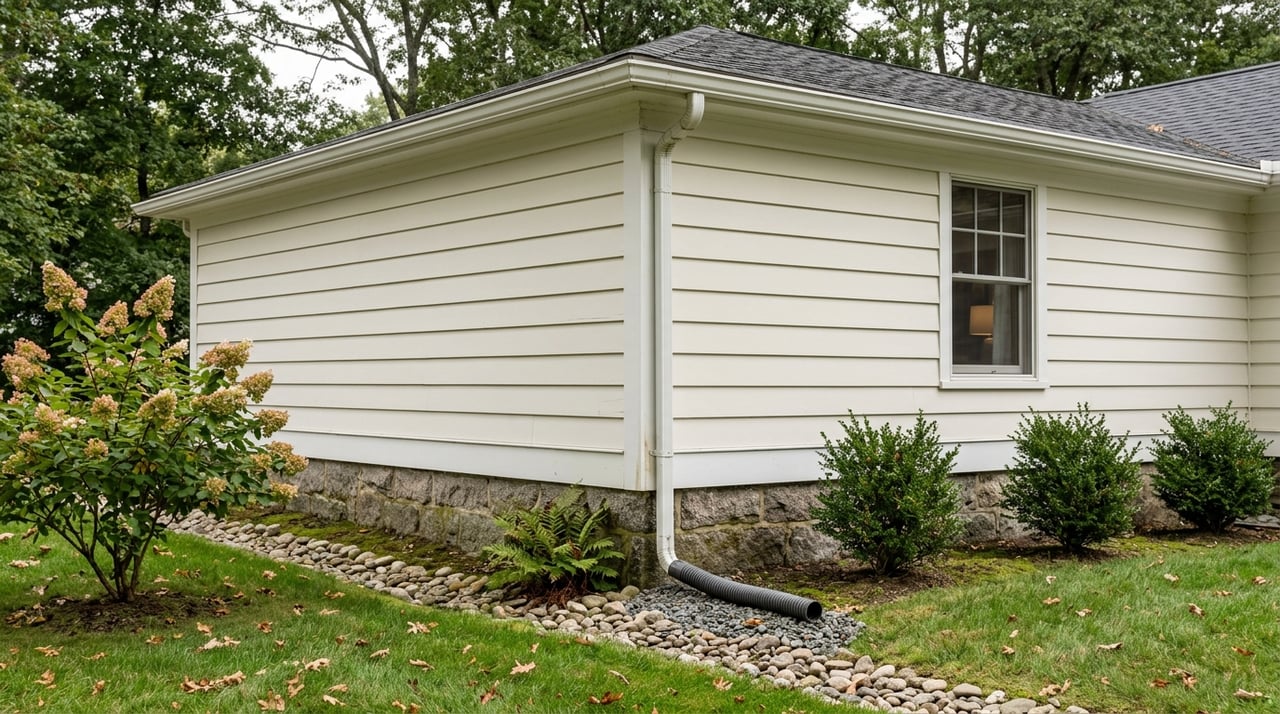
If you are deciding between buying land or buying a home in Ashford, CT, the right choice often comes down to one thing: how much complexity you want to take on. In a rural town like Ashford, the property itself can shape your timeline, financing, and even whether your plans are possible. This guide will help you understand the tradeoffs, ask smarter questions, and move forward with more confidence. Let’s dive in.
Why Ashford Feels Different
Ashford is a low-density town in northeastern Connecticut with about 4,218 residents spread across 39 square miles. The 2024 town profile reports about 109 people per square mile, which helps explain why land, frontage, septic, wells, and access matter more here than they might in a more built-up market.
That local setting affects both homebuyers and land buyers. Ashford’s planning and zoning approach is built around preserving rural character and supporting agricultural uses, so your purchase is not just about price. It is also about whether the property fits how you want to use it.
The market is also relatively small. Current snapshots in the research report show 15 homes for sale and 15 land listings, which means your options may be limited at any given time.
Buying a Home in Ashford
For many buyers, an existing home is the simpler path. You are usually dealing with familiar steps like mortgage approval, inspections, appraisal, title work, and closing rather than starting from scratch with site planning and construction decisions.
That does not mean you can skip due diligence. In Ashford, even a resale home can come with zoning questions that matter later, especially if you are thinking about additions, rebuilding, or changing the lot.
Why an Existing Home Is Often Simpler
A home purchase usually gives you a more direct path to ownership. You can evaluate the house, review its condition, line up financing, and move toward closing without also figuring out whether a vacant parcel can support a driveway, well, septic system, and buildable house site.
Financing may also be more straightforward. Fannie Mae notes that some mortgage options can start at 3% down, and USDA says qualifying rural borrowers may be able to buy or build with no money down in eligible rural areas. Because USDA eligibility is address-specific, you should verify the exact property rather than assume every Ashford address qualifies.
What to Check on a Resale Property
In Ashford, zoning review still matters when you buy an existing home. The town preserves certain nonconforming lots and structures, and some lots that do not meet current frontage or lot-area standards may still remain in residential use if other requirements are met.
That matters if you plan to expand the house, rebuild after damage, rework lot lines, or make other changes later. A property that works fine today may have limits that affect your future plans.
A practical review checklist includes:
- Whether the lot is conforming or nonconforming
- Whether future additions may trigger zoning questions
- Whether the property relies on private well or septic
- Whether wetlands, flood hazards, or access issues affect the site
Buying Land in Ashford
Buying land can be a great option if you want to build around your needs, but it usually requires more research and patience. In Ashford, the zoning code is a major part of determining whether a parcel is truly buildable.
A parcel may look promising online and still run into issues once you review frontage, buildable area, wetlands, septic needs, or access. That is why land purchases in rural towns are much more property-specific than most home purchases.
Zoning Is the First Big Filter
In Ashford’s Residential/Agricultural zone, residential development is expected to fit the rural setting and support agricultural use. Single-family and two-family dwellings are allowed uses in that zone.
The dimensional standards are important. For single-family and two-family dwellings, the regulations require a minimum lot size of 90,000 square feet, 200 feet of continuous frontage, and 25,000 square feet of buildable area. The town also states that no new land use or structure can move forward until zoning approval is issued.
Site Conditions Matter More Than the Price Tag
With land, the purchase price is only part of the story. Ashford’s zoning regulations require site plans to show features such as wells, sewage disposal systems, leaching areas, driveways, contours, wetlands, watercourses, and flood-hazard areas.
That means you need to look beyond the listing photos. A wooded parcel may be attractive, but if site conditions complicate access or utility planning, your build could become more expensive or take longer than expected.
Septic, Well, Wetlands, and Health Review
In low-density rural areas like Ashford, septic systems are generally the main sewage solution. Connecticut Department of Public Health guidance in the research report notes that these systems are generally regulated through the local Director of Health.
If you are buying land, you will likely need to understand whether the site can support septic and well placement. If regulated inland wetlands activity is involved, an application must also be filed with the Inland Wetlands Commission. If construction falls in a flood-hazard area, a special permit is required.
Interior Lots Need Extra Attention
Ashford allows interior lots by special permit in conventional subdivisions only in limited situations, such as when topography or parcel shape makes them the best use of the land. They are capped at 10% of lots in a conventional subdivision, prohibited in open-space subdivisions, and must have a continuous 50-foot deeded accessway that can support emergency-vehicle access.
For you as a buyer, that means access is not a minor detail. A parcel that seems usable on a map may still fall short if the layout or access does not satisfy town requirements.
Land vs. Home in Ashford
If you want the clearest path, an existing home is usually the easier choice. If you want more control over the final product and are comfortable with more moving parts, land may be worth exploring.
Here is a simple side-by-side view:
| Option | Usually Simpler? | Key Variables |
|---|---|---|
| Existing home | Yes | Financing, inspection, appraisal, title, zoning limits on future changes |
| Land to build | No | Zoning approval, frontage, buildable area, septic, well, wetlands, access, flood-hazard review |
In many cases, existing homes reach closing faster because you are not also coordinating parcel feasibility, design, utility planning, and construction. In Ashford, that difference is especially important because local zoning and site-review requirements can have a major impact on timeline and cost.
Financing Differences to Expect
Financing a house and financing land-plus-build are not the same process. A standard home purchase typically follows the familiar mortgage path, while building often requires a different loan structure.
The research report notes that construction loans are short-term loans used for building or rehabilitating a home. Depending on how the loan is structured, it may be repaid in a lump sum or converted into a permanent mortgage.
USDA also offers single-close construction-to-permanent financing through its rural housing programs. That can help some qualifying buyers avoid a separate construction loan closing and a later mortgage closing, but eligibility should always be confirmed for the specific property and borrower.
Questions to Ask Before You Decide
If you are choosing between land and a home in Ashford, these are some of the most useful questions to ask early:
- Is the parcel in the Residential/Agricultural zone or another zoning district?
- Does the lot meet frontage, lot-size, and buildable-area requirements?
- Will the property need private septic and well?
- Has local health review started, or will that come after contract?
- Are wetlands, flood-hazard areas, or watercourses likely to affect the site?
- Does the parcel have practical and legal access?
- Do you want move-in-ready ownership, or are you comfortable with a longer build process?
The clearer you are on these answers, the easier it becomes to compare one opportunity against another.
How to Choose the Right Path
If your top priority is speed, predictability, and a more familiar buying process, an existing home will often make the most sense. That path can still come with property-specific questions, but it is usually easier to evaluate the full picture before closing.
If your priority is building something that fits your vision from the ground up, buying land may be the better option. You just need to go in knowing that in Ashford, buildability is not something to assume. It has to be confirmed.
That is where local, property-level guidance matters. In a market with older homes, rural parcels, and town-specific land rules, having someone who can help you spot the practical issues early can save you time and stress later.
Whether you are comparing resale homes, trying to understand a vacant parcel, or just figuring out which path fits your goals, working with a local advisor can make the process much clearer. If you are thinking about buying in Ashford, connect with Lindsey Niarhakos for direct, hands-on guidance from start to finish.
FAQs
Is buying land or a home easier in Ashford, CT?
- In most cases, buying an existing home is easier because you are usually dealing with mortgage approval, inspections, appraisal, and closing rather than zoning approval, site feasibility, and construction planning.
What zoning rules matter when buying land in Ashford, CT?
- In Ashford’s Residential/Agricultural zone, single-family and two-family dwellings are allowed, but the parcel must still meet standards such as minimum lot size, continuous frontage, and buildable area before a project can move forward.
Do Ashford, CT land buyers need to check for septic and well requirements?
- Yes. In rural, low-density areas like Ashford, septic systems are generally the primary sewage solution, and buyers should review septic, well placement, and local health requirements early.
Can a resale home in Ashford, CT still have zoning issues?
- Yes. Some existing homes may be on nonconforming lots or involve nonconforming structures, which can affect future additions, rebuilding, or lot changes.
Do interior lots in Ashford, CT need special approval?
- Yes. Ashford allows interior lots by special permit only in limited situations, and they must meet access requirements including a continuous 50-foot deeded accessway suitable for emergency vehicles.
Does USDA financing apply to properties in Ashford, CT?
- It may, but eligibility is address-specific. You should verify the exact property rather than assume all Ashford properties qualify.