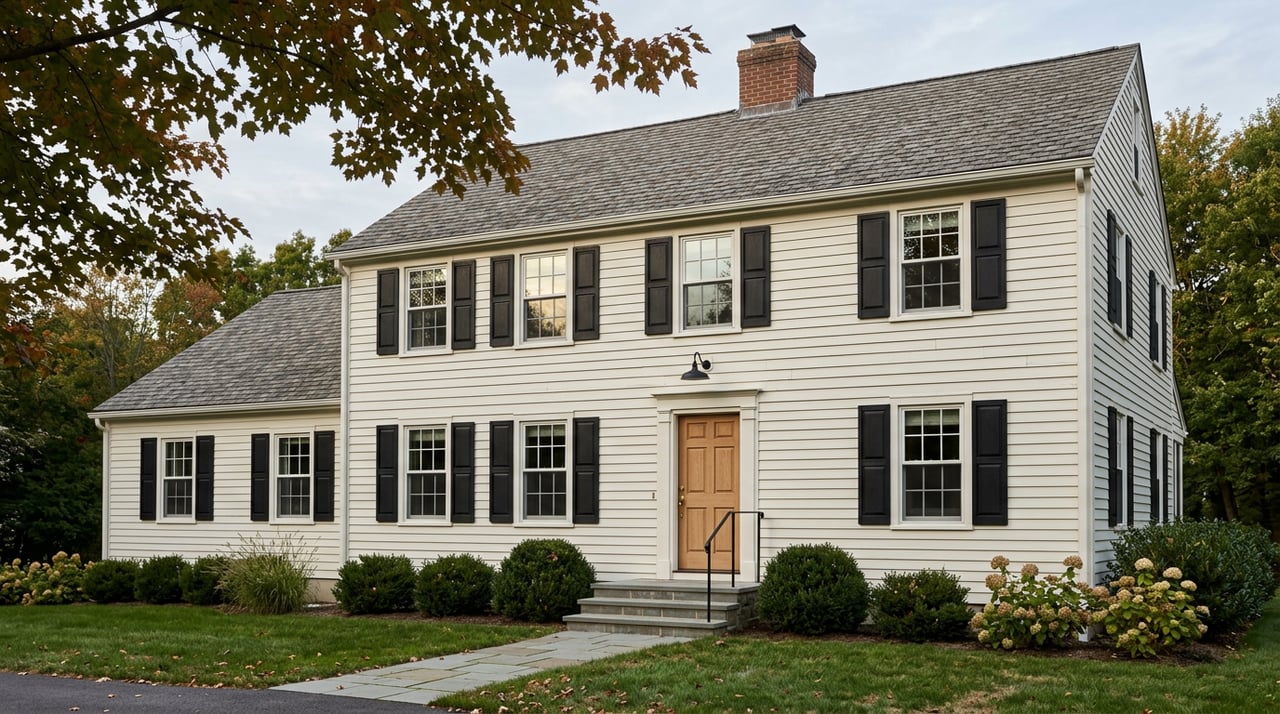
Buying your first home in Mansfield Center is exciting, but it can feel complex in a college-influenced market. With UConn nearby and a mix of older homes and newer condos, you face unique opportunities and tradeoffs. In this guide, you’ll learn how to time your search, use Connecticut’s top first-time buyer programs, and inspect homes the right way for our local housing stock. Let’s dive in.
Why Mansfield Center is unique
UConn’s Storrs campus is a major housing driver. As of Fall 2025, the university reported about 34,424 students system-wide, including roughly 21,042 undergraduates on the main Storrs campus. That year-round demand shapes pricing, seasonality, and rental activity near campus. You can review the latest enrollment snapshot on the university’s annual fact sheet at the UConn website.
Mansfield’s housing mix reflects its campus profile. The U.S. Census QuickFacts shows an owner-occupied rate near 57.3 percent for Mansfield, which is a lower ownership share than many non-college towns. This context helps explain why you may see strong investor interest, especially in small multi-family and condo segments. You can explore town-level stats on Census QuickFacts.
Downtown Storrs, known as Storrs Center, is a planned mixed-use district that added newer market-rate and workforce housing near campus. The town created a Storrs Center Special Design District and a housing-opportunity zone to support walkable living. That means you’ll find a mix of newer condos and apartments close to campus, while single-family homes are more common outside the center. Learn more about the district’s planning history on the state’s Storrs Center page.
What homes and prices look like
Many Mansfield-area homes date to the mid-20th century. Local housing guides report a median year built around 1967, so it’s smart to plan for older systems and potential updates. Common items to budget for include roofs, heating systems, electrical modernization, and lead-safe compliance for pre-1978 finishes.
For prices, vendor snapshots vary by method and date. As of Dec 2025, Realtor.com reported a median listing price around $424,900. Zillow’s home value index for Mansfield was near $380,000 as of Jan 31, 2026, and Redfin’s recent medians often ranged from $410,000 to $440,000. Treat these as directional, and focus on active comps in your target areas.
Rental pricing remains elevated near UConn. Recent snapshots have shown a median rent around $3,000 per month, which supports steady investor interest in 2 to 4 unit properties. If you plan to buy a small multi-family as your first home, this dynamic can help offset your mortgage when you live in one unit.
When to shop and why timing matters
Inventory in college towns ebbs and flows with the academic calendar. Spring and early summer often bring more listings as sellers aim for summer moves, but demand also spikes as leases turn over and new students arrive. Late fall and winter can bring fewer listings, but you may face less competition and more room to negotiate.
Traffic, noise, and parking can feel different on move-in weekends and during big events. If proximity to campus is on your list, try touring during the academic term and during quieter periods. Seeing both will give you a clear picture of day-to-day life and peak calendar moments.
Smart financing for first-time buyers
Connecticut Housing Finance Authority programs can lower your cash to close and monthly cost if you qualify. Start with CHFA’s Time To Own down payment assistance. This program provides a 0 percent forgivable second loan that can cover up to 20 percent of the down payment plus up to 5 percent of closing costs, subject to program caps and eligibility. Forgiveness typically occurs over 10 years at 10 percent per year. Get full details directly from CHFA’s Time To Own page.
CHFA’s Down Payment Assistance Program, or DAP, is a low-interest second mortgage that can fund your down payment and closing costs. It often requires homebuyer education and must be paired with a CHFA first mortgage. Review requirements and steps on the CHFA DAP page.
For your main mortgage, CHFA offers below-market options and allows certain 2 to 4 unit properties for eligible owner-occupants under programs like HFA Advantage or HFA Preferred. These options have income and sales price limits by area. Read about property eligibility and program basics on CHFA’s HFA Preferred program page.
How to stack assistance effectively
- Get pre-approved with a CHFA-participating lender early and ask about Time To Own plus DAP.
- Confirm income limits, sales price caps, and any education requirements.
- Reserve program funds as soon as you are under contract, since CHFA updates funding availability over time.
- Build a timeline that allows for assistance paperwork. Many buyers close in about 45 to 60 days when using CHFA programs, though timelines vary by lender and file.
Where to look: Mansfield Center and nearby options
- Storrs Center condos and townhomes: Newer builds, walkable amenities, and easy access to campus and Route 195. Expect competition during leasing season.
- Near-campus neighborhoods: A mix of owner-occupied and rental properties. You may find single-family homes that work well for long-term living and potential future rental use.
- Mansfield Center: Quieter residential feel with single-family options. If you prefer distance from peak campus activity, this area can be a strong fit.
When possible, preview your top streets at different times of day. Notice traffic, commute times, and parking dynamics. If you plan to rent a room or unit later, keep turnover timing and local registration rules in mind from day one.
Inspection and testing checklist for older homes
A thorough inspection plan reduces stress and surprise costs. Use this checklist once your offer is accepted and your inspection window opens.
General home inspection and timing Schedule your general inspection immediately after acceptance and confirm timelines with your lender and attorney. Typical closings run around 30 to 45 days in many markets, but plan extra time if you are using assistance programs or ordering multiple specialist tests.
Private well water testing If the property has a private well, test water quality as part of your contingency. The Connecticut Department of Public Health recommends testing for basic indicators and potential contaminants like lead, arsenic, and uranium. Ask the seller for recent test results or include testing in your offer. Guidance and certified lab resources are on the CT DPH private well program page.
Septic system condition For homes with septic, request pump and inspection records and order a septic inspection with pumping if needed. Review distribution components, soil condition, and capacity notes. For records or local procedures, consult the town’s building and health resources via the Town of Mansfield departments page.
Lead paint disclosure and safe work For properties built before 1978, federal law requires a lead paint disclosure and an EPA-approved lead hazard pamphlet. If you plan renovations, hire contractors who follow lead-safe RRP procedures. Review requirements and reporting guidance on the EPA lead page.
Oil tank and fuel storage Many older homes once used oil heat. Ask for documentation of tank removal or insurance and consider an oil tank sweep if records are incomplete. Your agent can help coordinate any environmental or remediation questions with local and state contacts.
Structure and systems Have your inspector evaluate the roof, foundation, chimney, HVAC, plumbing, and electrical systems. In older homes, be alert for ungrounded wiring or outdated panels. If you anticipate a remodel, budget for asbestos testing where appropriate and bring in specialists when needed.
Radon and indoor air Radon testing is common in basements and lower levels in Connecticut. If you see moisture stains or musty odors, ask your inspector if a mold or air quality assessment is warranted. Mitigation systems are widely available if tests require action.
Buying a small multi-family as your first home
Owner-occupying a 2 to 4 unit property can be a smart entry point in a high-rent area. CHFA allows certain 2 to 4 unit homes for eligible buyers using approved programs, so you can pair stable housing with potential rental income. Underwriting is different from a single-family purchase, so plan ahead.
Key points to prepare:
- Reserves: Some programs and lenders require extra reserves for multi-unit properties.
- Property management plan: Outline how you will handle leasing, maintenance, and turnover.
- Local registration and compliance: Check Mansfield’s rental and building resources on the Town of Mansfield departments page for any requirements that may apply.
- CHFA program fit: Confirm owner-occupancy rules, income and price limits, and how rental income factors into qualifying on the CHFA HFA Preferred page.
Step-by-step roadmap to closing
Get finances in order Check your credit, set a budget, and save for earnest money and reserves. If you want to use CHFA programs, get pre-approved with a CHFA-participating lender early and review Time To Own and DAP. You can start with CHFA’s Time To Own and DAP pages.
Set target neighborhoods Choose areas that match your lifestyle and budget. Storrs Center offers newer condos and walkability, while Mansfield Center and nearby streets lean more residential. Zoning that supports mixed-use and multi-family near Storrs Center can increase condo and townhome options, as described on the state’s Storrs Center page.
Tour strategically Visit during the academic term to see traffic and activity, and return during a quieter period to assess the day-to-day feel. If parking and commute times matter, test your route during peak hours. Take notes on noise, lighting, and neighborhood flow at different times.
Go under contract with a clear plan Make your offer with inspection and testing contingencies tailored to the property. Once accepted, schedule inspections right away and ask your lender to reserve any CHFA assistance funds. If you are stacking programs, allow for a slightly longer timeline to gather documents and clear conditions.
Closing checklist for Mansfield Confirm tax proration and escrow details. Mansfield typically issues tax bills at the end of June, with payments due July 1 and installment options available. You can review tax calendars and revaluation updates on the town’s Real Estate tax page.
After you close Set up a well testing schedule if you are on a private well and follow septic maintenance best practices if you are not on municipal sewer. If your home predates 1978 and you plan to renovate, use certified lead-safe contractors. The CT DPH well testing page and EPA lead resource are helpful references.
Property taxes: what to know
Property taxes affect your monthly payment if you escrow, so review them early. Mansfield’s real estate tax bills are typically issued at the end of June and due July 1, with installment options for payers. Ask your lender to confirm the proration and escrow setup based on your closing date. For current timelines and notices, use the town’s Real Estate page.
Ready to start?
Buying your first home is a big move, and you do not have to figure it out alone. With careful timing, the right CHFA plan, and a local inspection strategy, you can make a confident purchase in Mansfield Center. If you want a step-by-step plan and a hands-on advisor who knows older homes and the UConn market, reach out to Lindsey Niarhakos. Let’s connect, walk your budget and goals, and get you ready to write a strong offer.
FAQs
What makes first-time buying in Mansfield Center different from other CT towns?
- UConn’s enrollment drives consistent housing demand, there is a lower owner-occupied share than many non-college towns, and the Storrs Center district adds newer condos alongside older single-family homes.
How much are homes near Mansfield Center, and why do medians vary?
- Recent vendor snapshots ranged from about $380,000 to $440,000 depending on source and date, and methods differ, so use local comps and active listings to set your budget.
What down payment help can I use in Connecticut?
- CHFA’s Time To Own offers a 0 percent forgivable second loan for up to 20 percent down plus up to 5 percent of closing costs, and DAP can provide a low-interest second mortgage for costs if you qualify.
What should I test if a home has a private well and septic in Mansfield?
- Test private well water for key contaminants per CT DPH guidance and order a septic inspection with pumping as needed, plus ask for records from the seller and the town.
How long does closing take for first-time buyers using CHFA assistance?
- Many buyers close in about 45 to 60 days with assistance due to added documentation, though timelines vary by lender and file.
Can I buy a 2 to 4 unit property with first-time buyer programs?
- Certain CHFA programs allow eligible owner-occupants to purchase 2 to 4 unit properties, but expect different underwriting rules, potential reserve requirements, and local registration steps.